LAKSHADWEEP · ARABIAN SEA · ISLAND ECOLOGIES
Lakshadweep · island ecologies
A hundred thousand islands, built entirely from what the coral and the coconut provide.
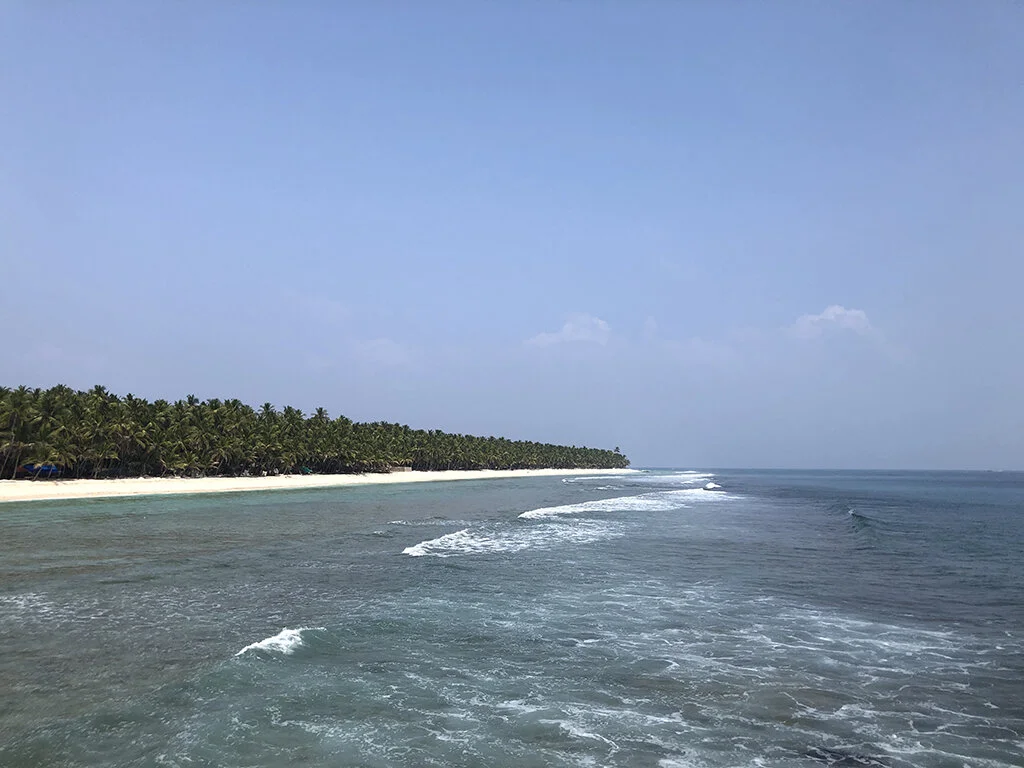
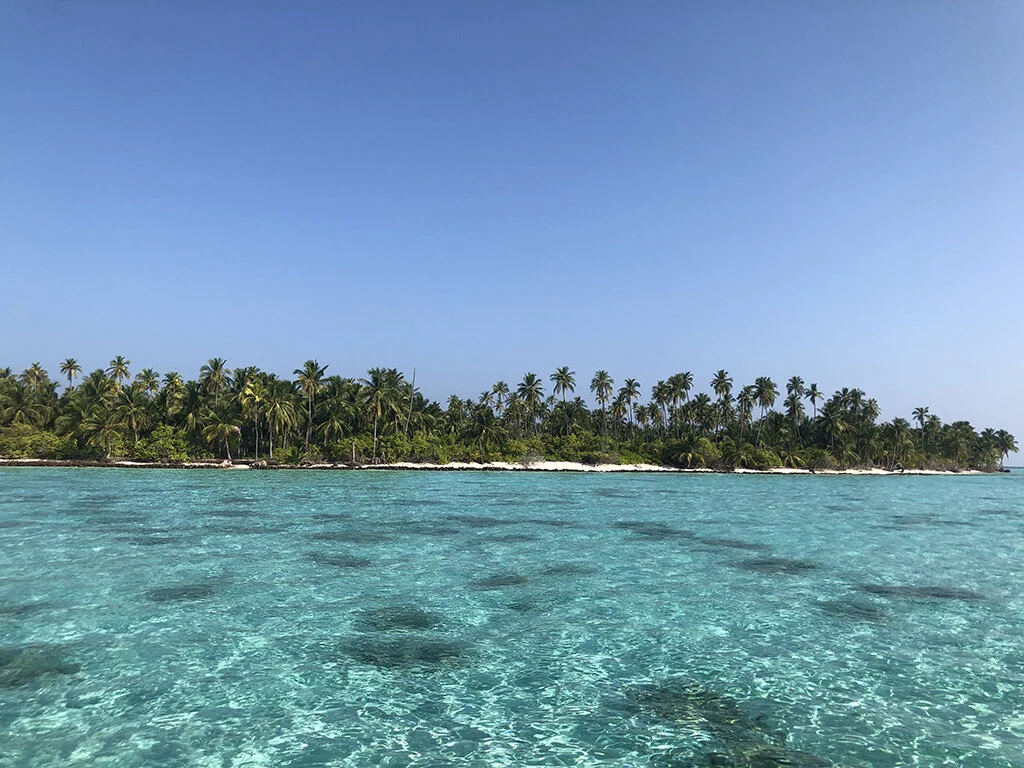
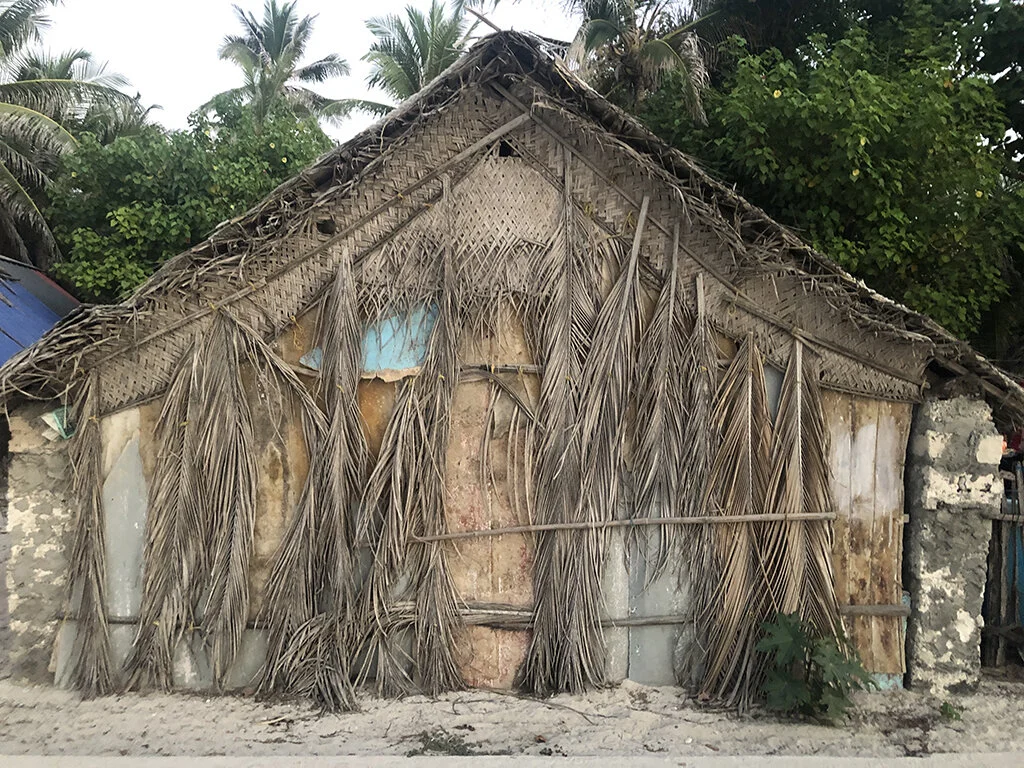
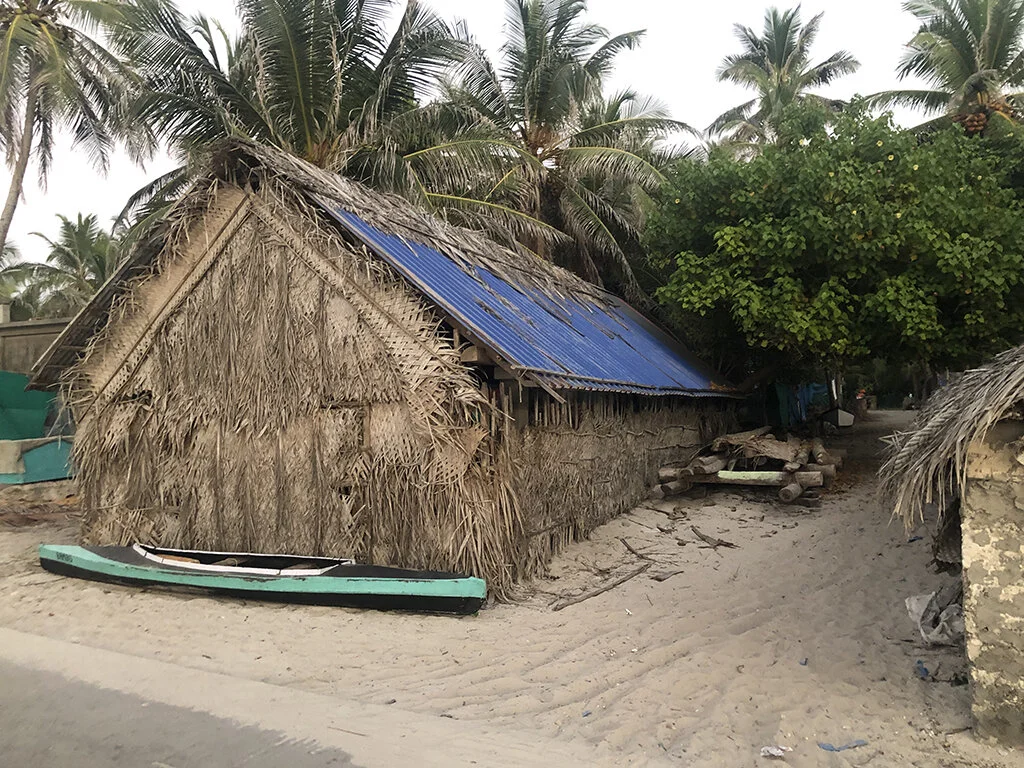
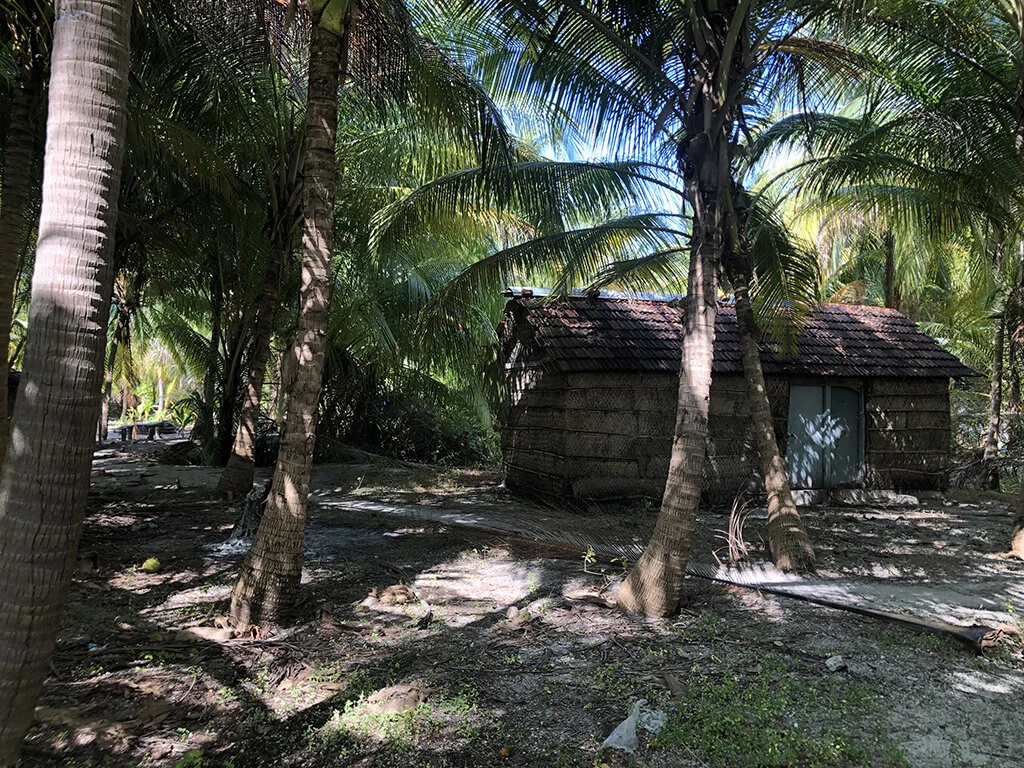
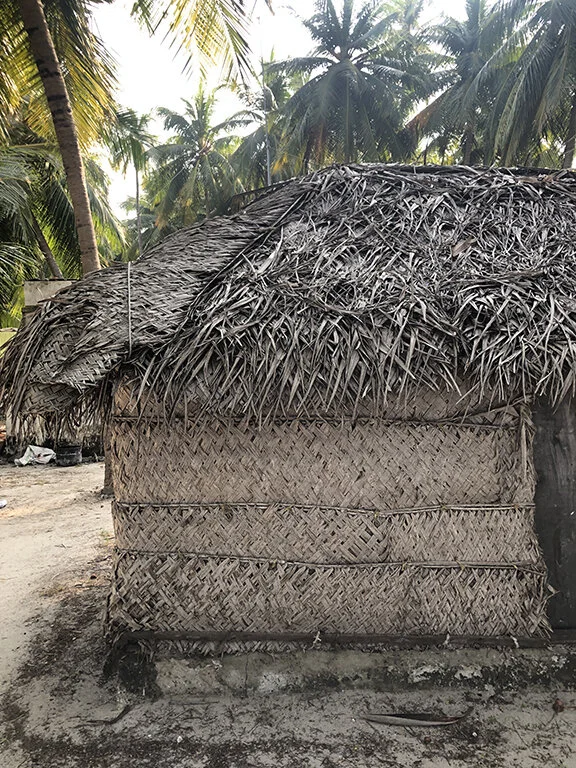
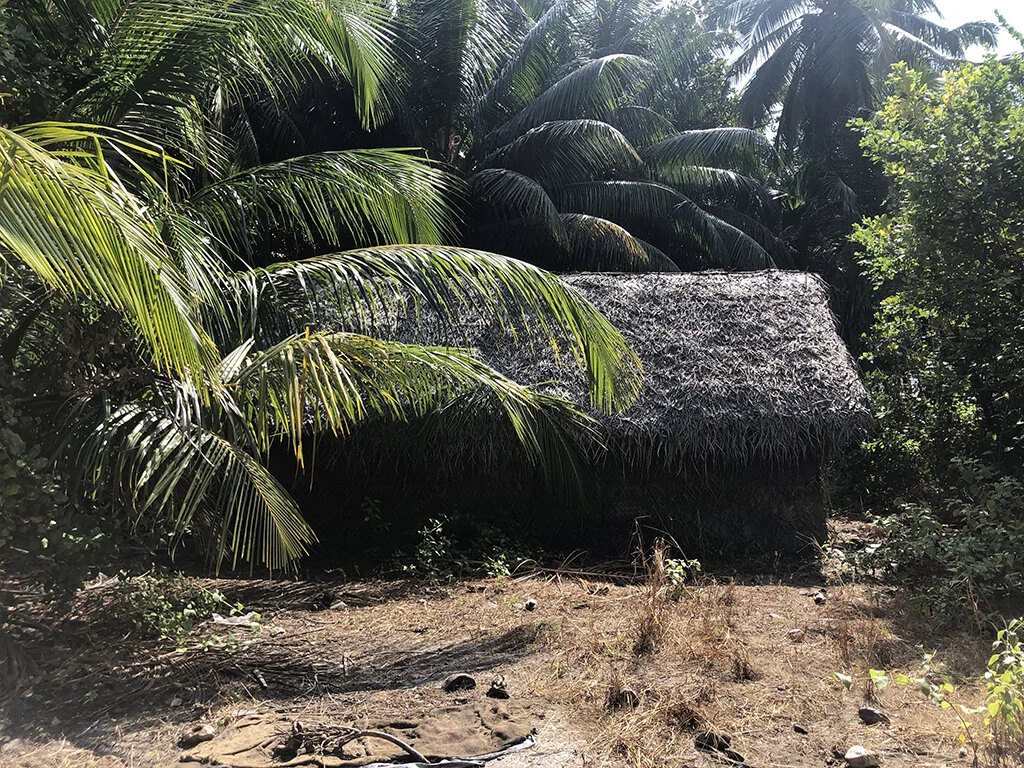
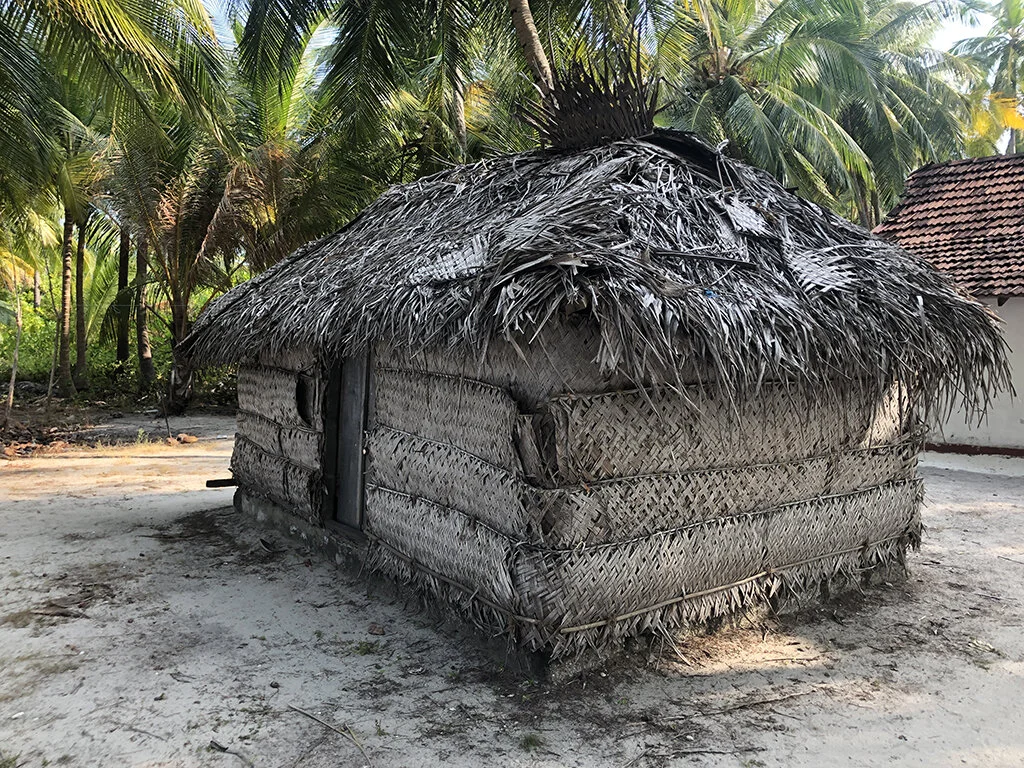
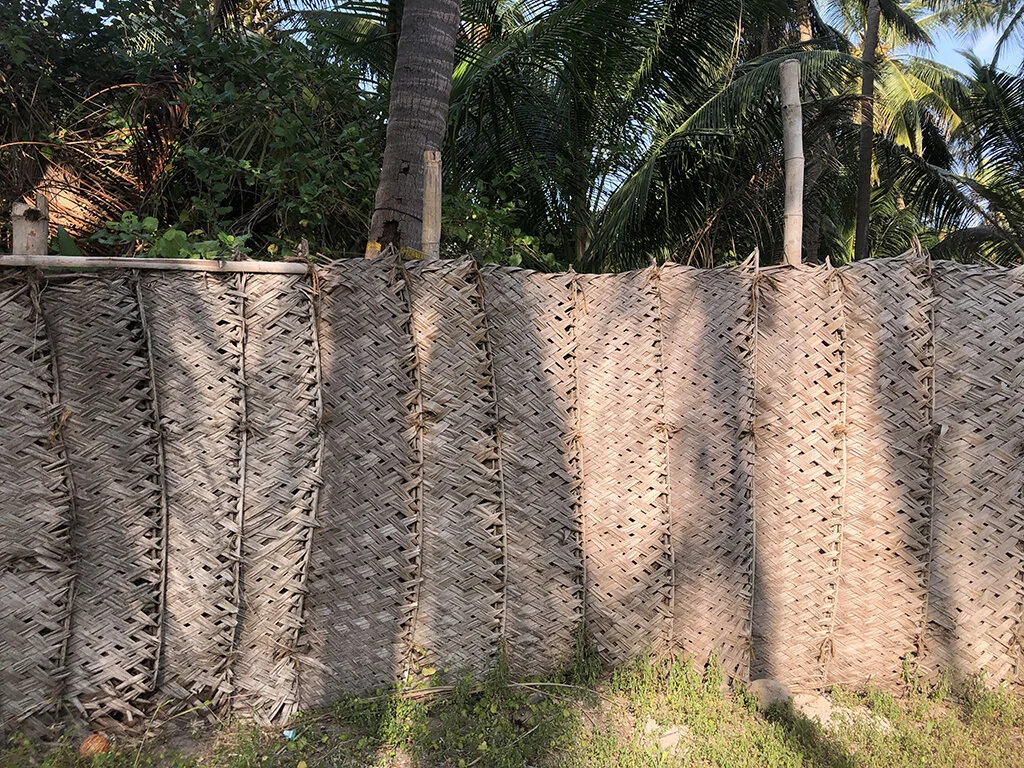
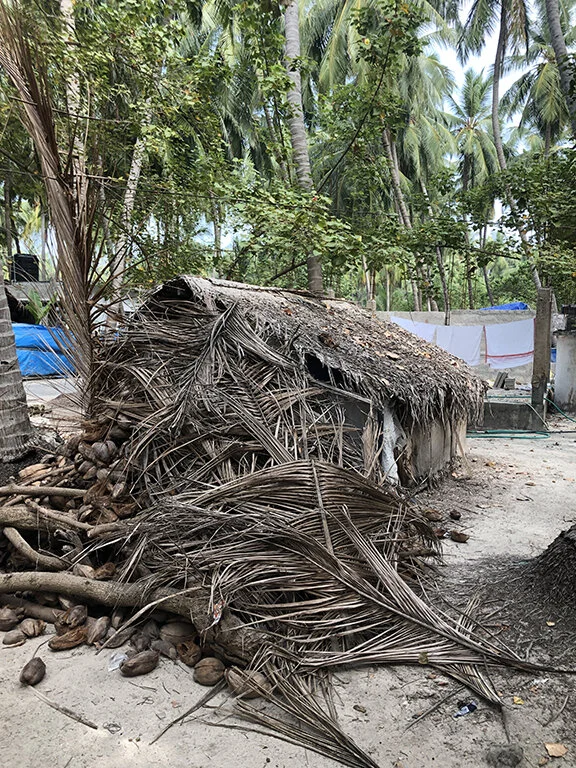
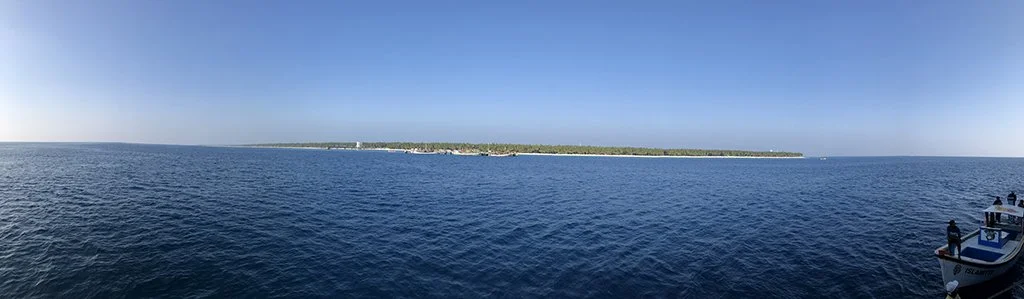
This study focuses on the Lakshadweep archipelago in the Arabian Sea, a group of atolls and coral reefs whose name means "Hundred Thousand Islands" in Malayalam and Sanskrit. The higher eastern sides of the islands are suitable for human habitation, while the low-lying lagoons on the western sides provide shelter from the southwest monsoon. The soils are predominantly sandy and derived from coral. The objective is to analyse island ecologies, with particular emphasis on the local building materials available and their applications, where the entire built environment must be constructed from resources provided by the sea and the reef.
WHAT WE ARE DOCUMENTING
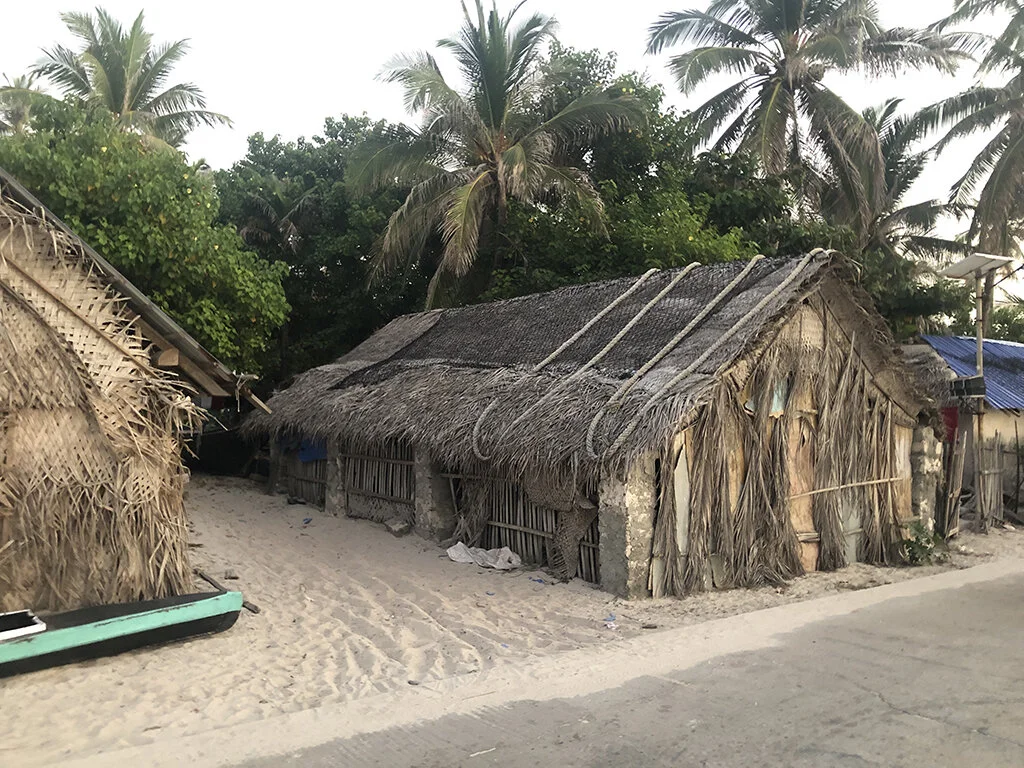
Key areas of investigation include coral-stone construction, the use of coconut timber and thatch, the management of the freshwater lens and strategies for harvesting and protecting scarce potable water, as well as the settlement logic of building on the sheltered, habitable side of each atoll.
THE MATERIAL QUESTION
An island represents a closed material system; resources that cannot be grown or gathered locally must be transported across the sea at high cost. Consequently, Lakshadweep serves as a distinct case study in constructing with an entirely local and finite palette of materials, as well as in the adaptive water management strategies required by island life.