Makkumath · against placelessness
MAKKUMATH, UTTARAKHAND · GARHWAL
A region carrying remnants of a centuries-old migration, now facing the loss of its contextual identity.
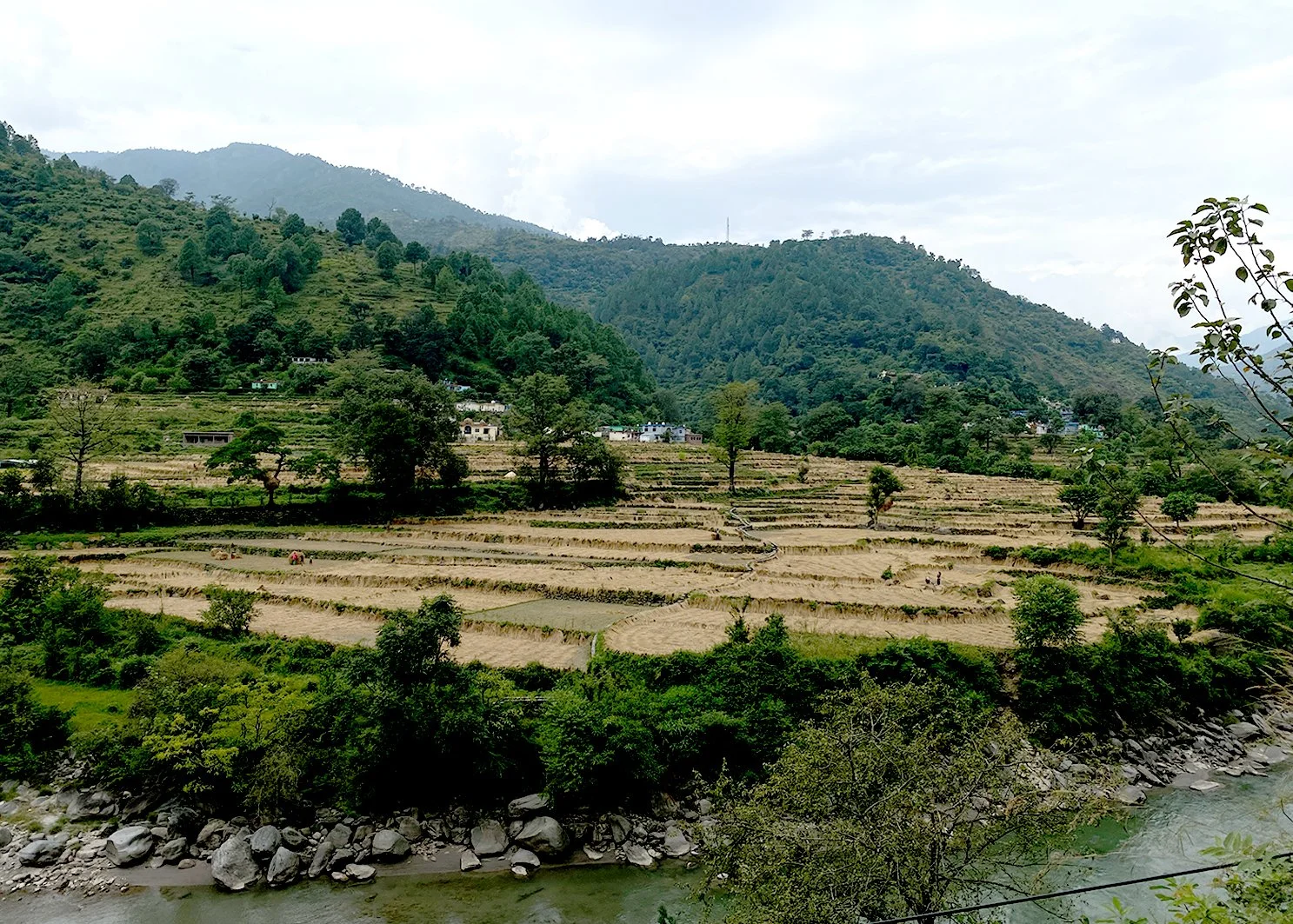
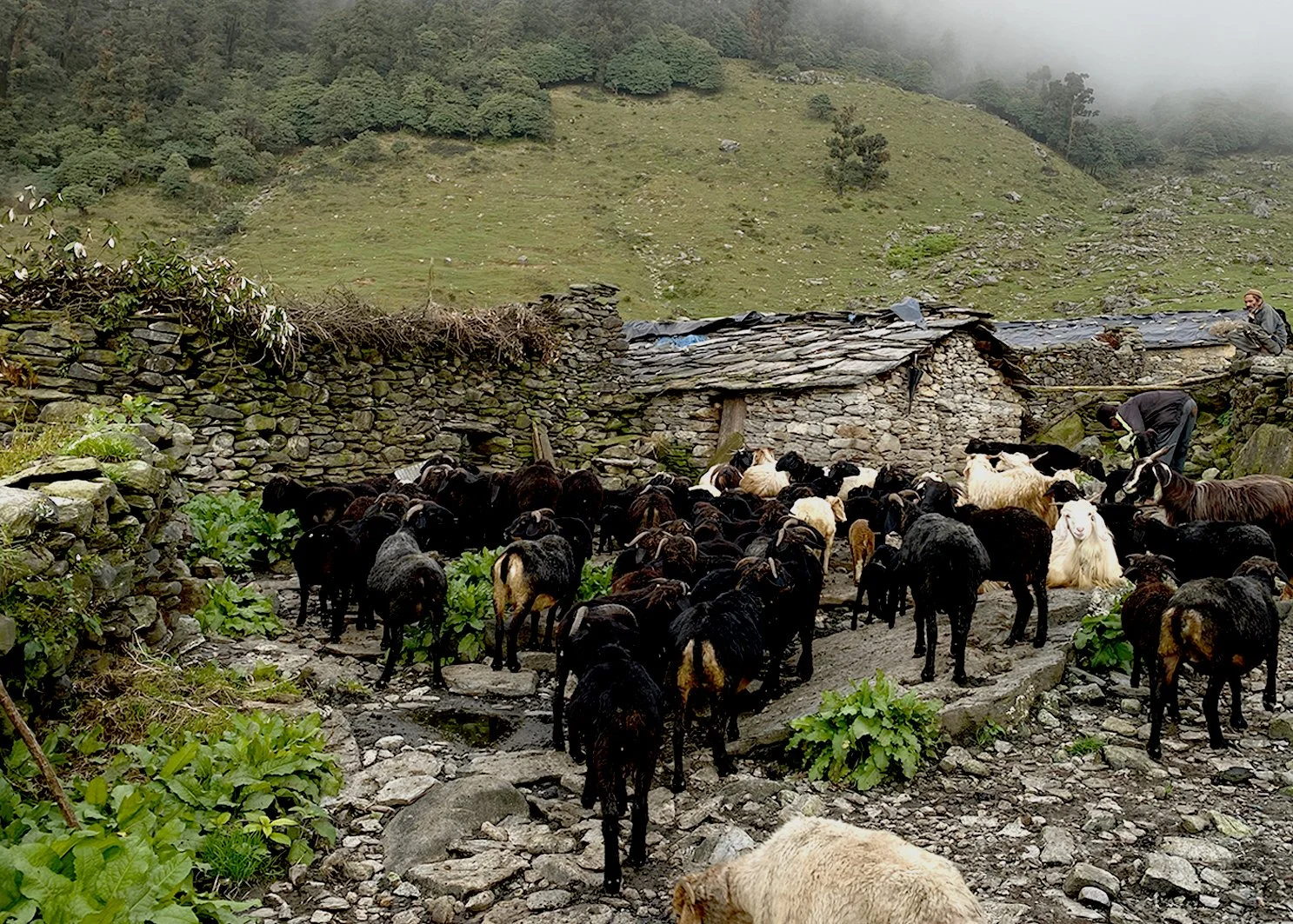
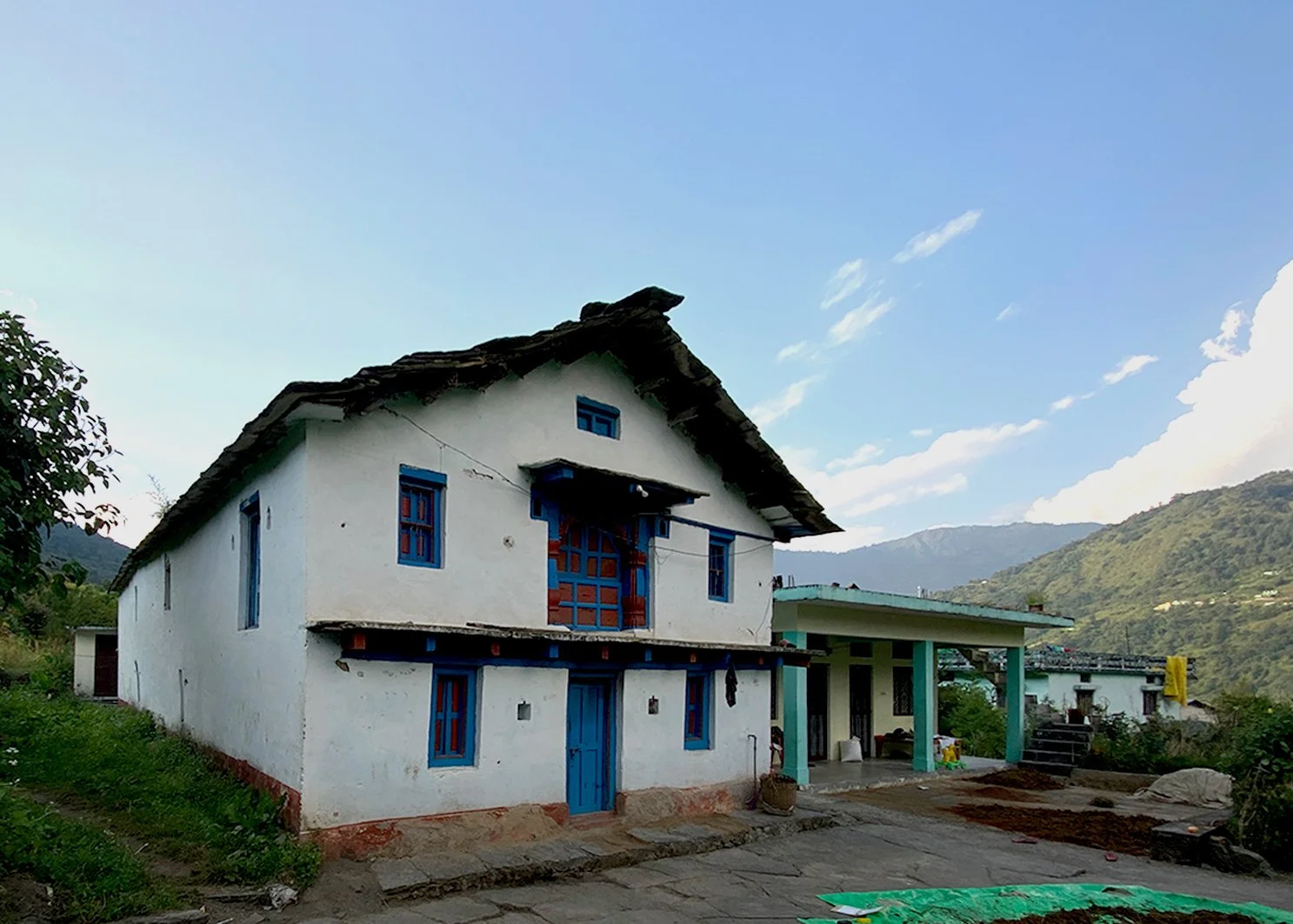
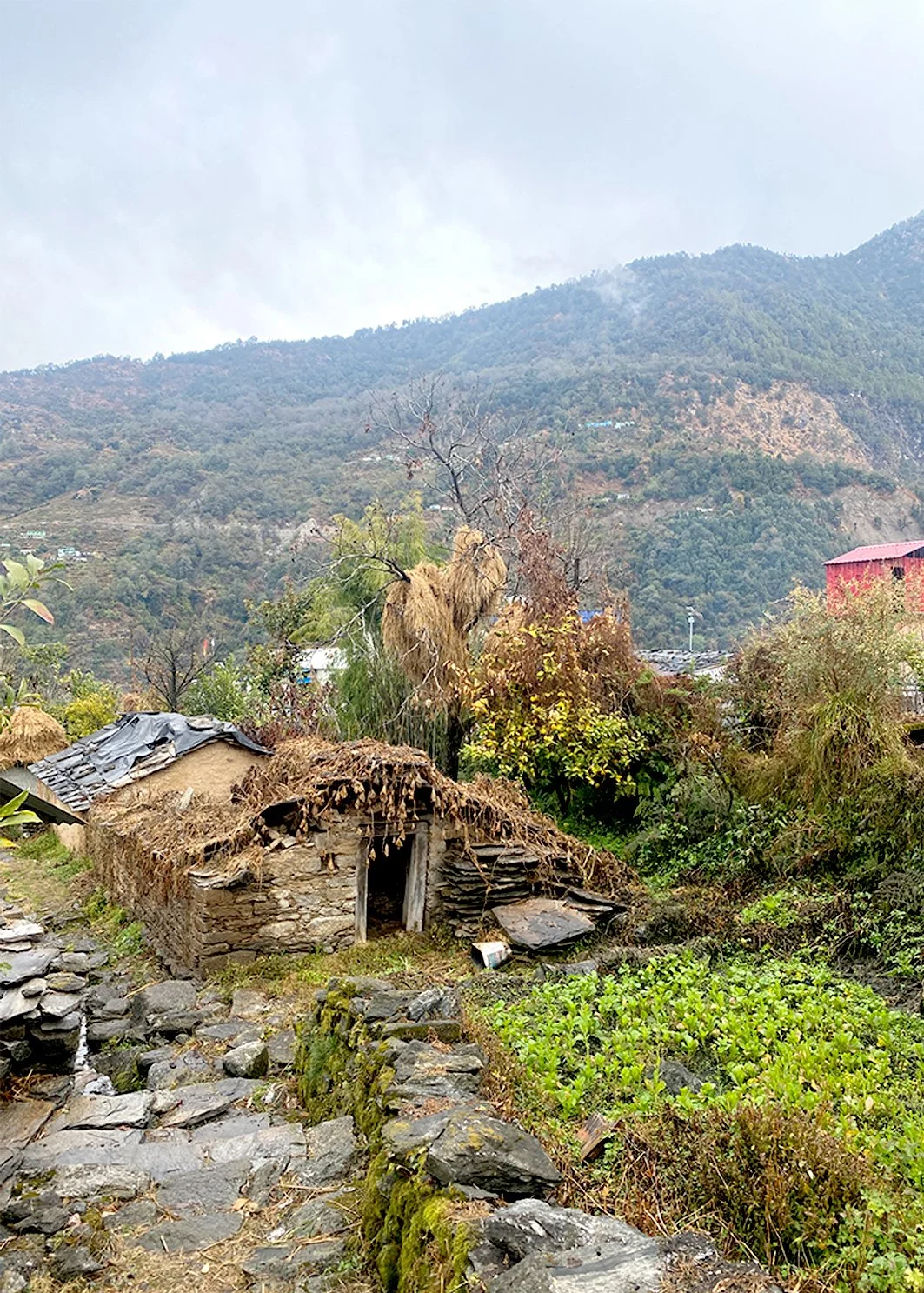
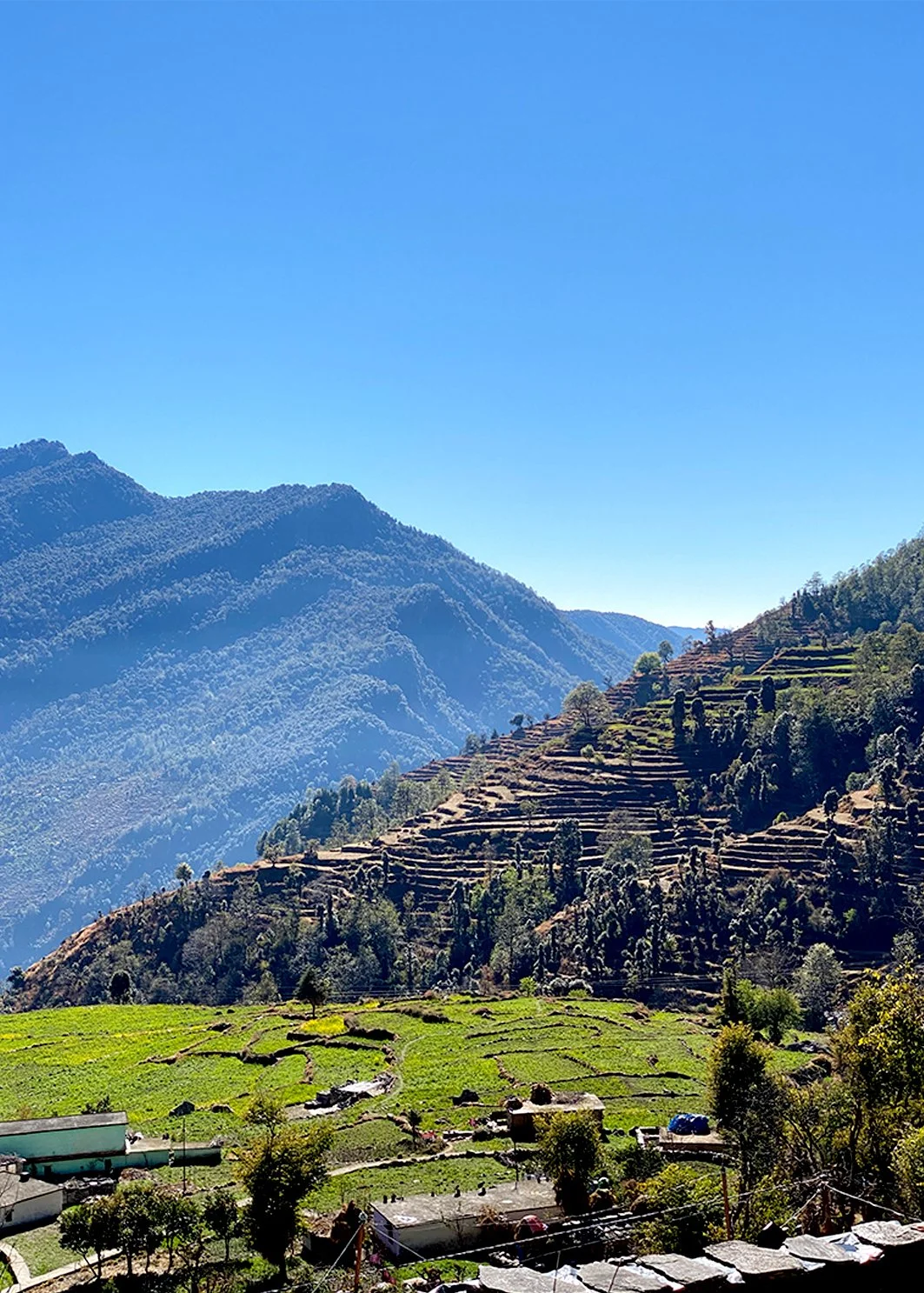
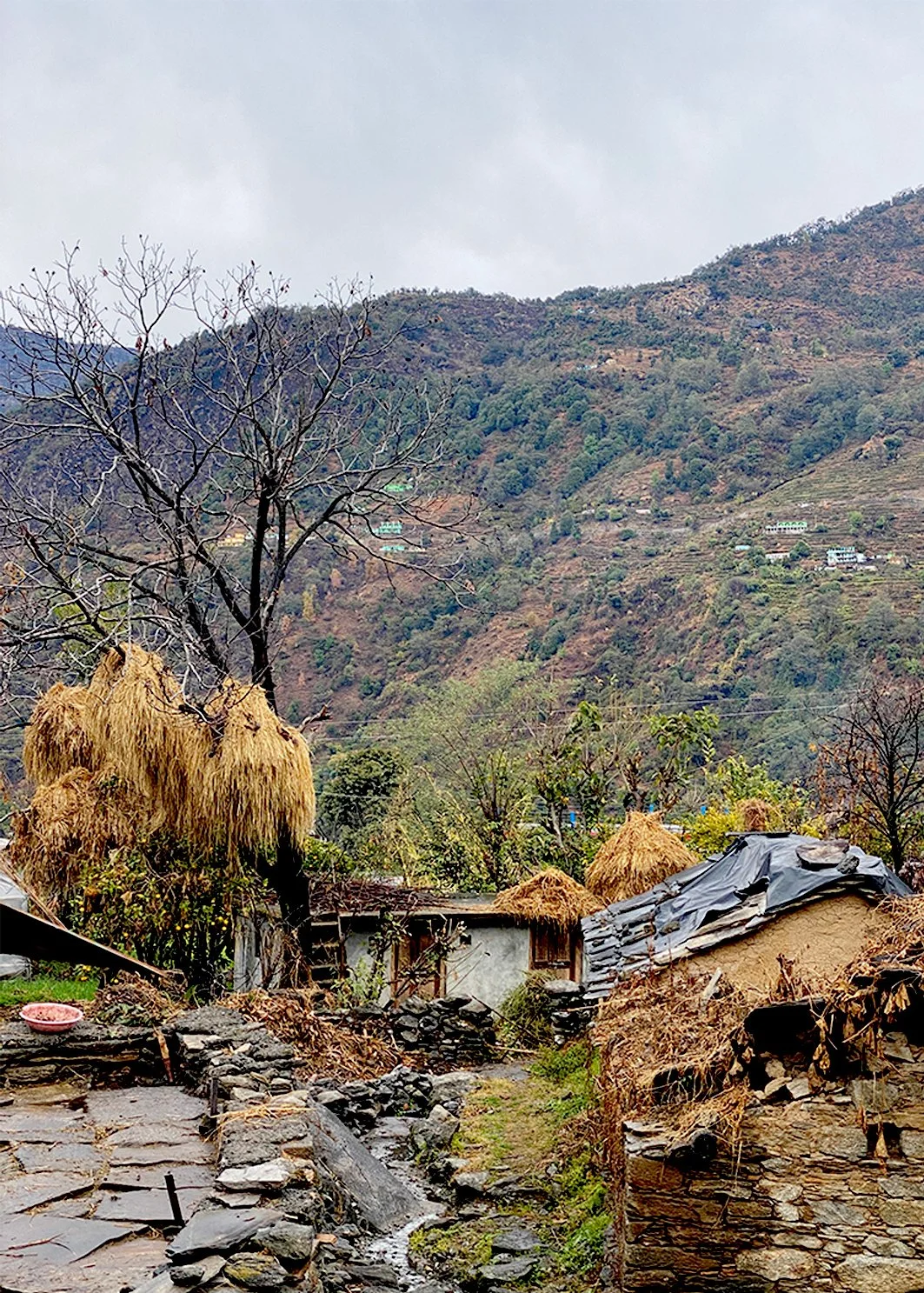
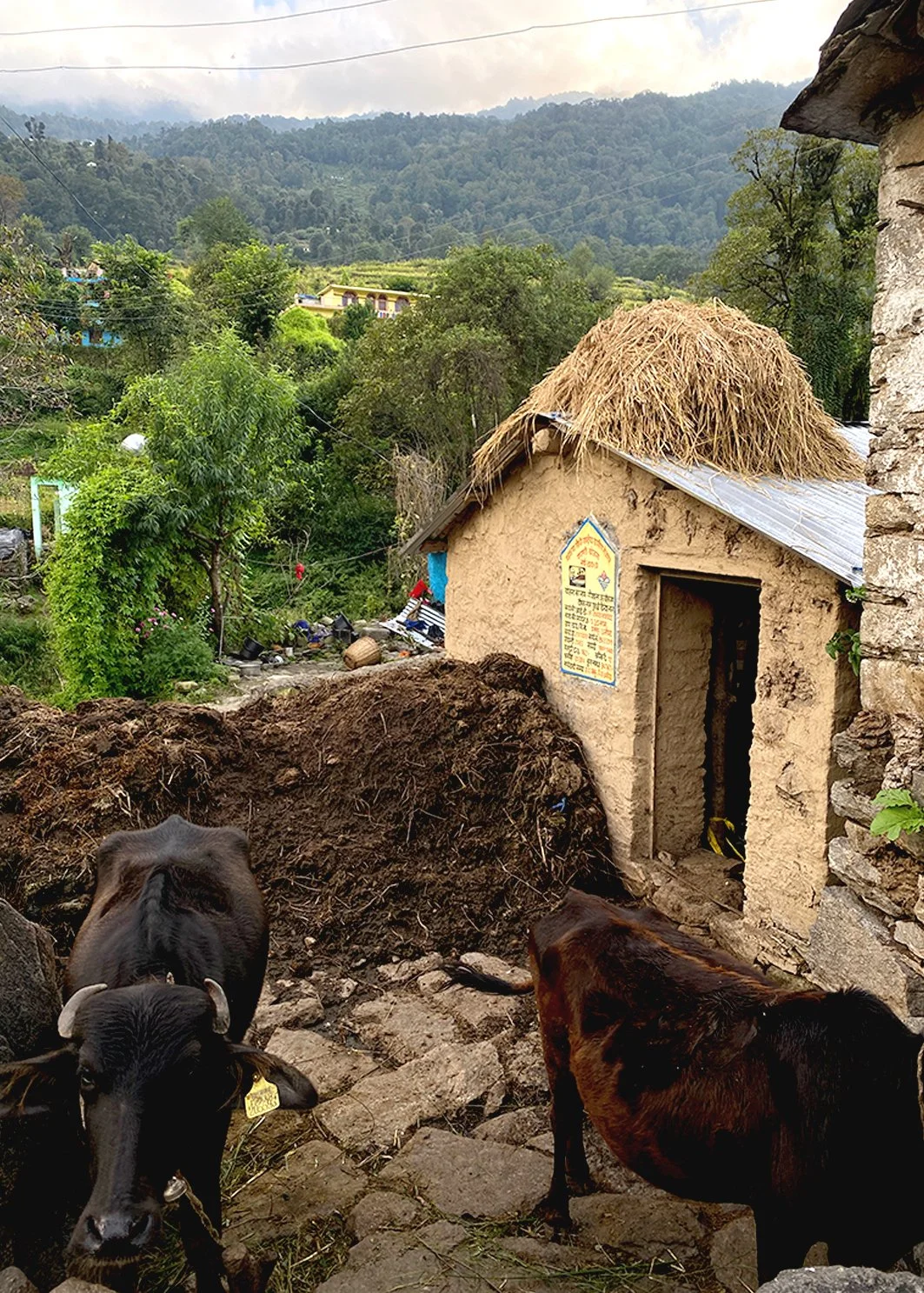
The region, located within the Himalayas, is characterised by rugged terrain, snow-capped peaks, swelling rivers, and abundant vegetation. Inhabitants of the valley migrated centuries ago, and remnants of their past persist in certain regional practices. Traditionally, buildings were constructed in direct response to their environmental context; however, contemporary structures increasingly exhibit placelessness and a loss of cultural and contextual identity. This study aims to identify and document building practices and skills at risk of disappearance, thereby establishing a foundation for future regional development that remains rooted in local context.
WHAT WE ARE DOCUMENTING
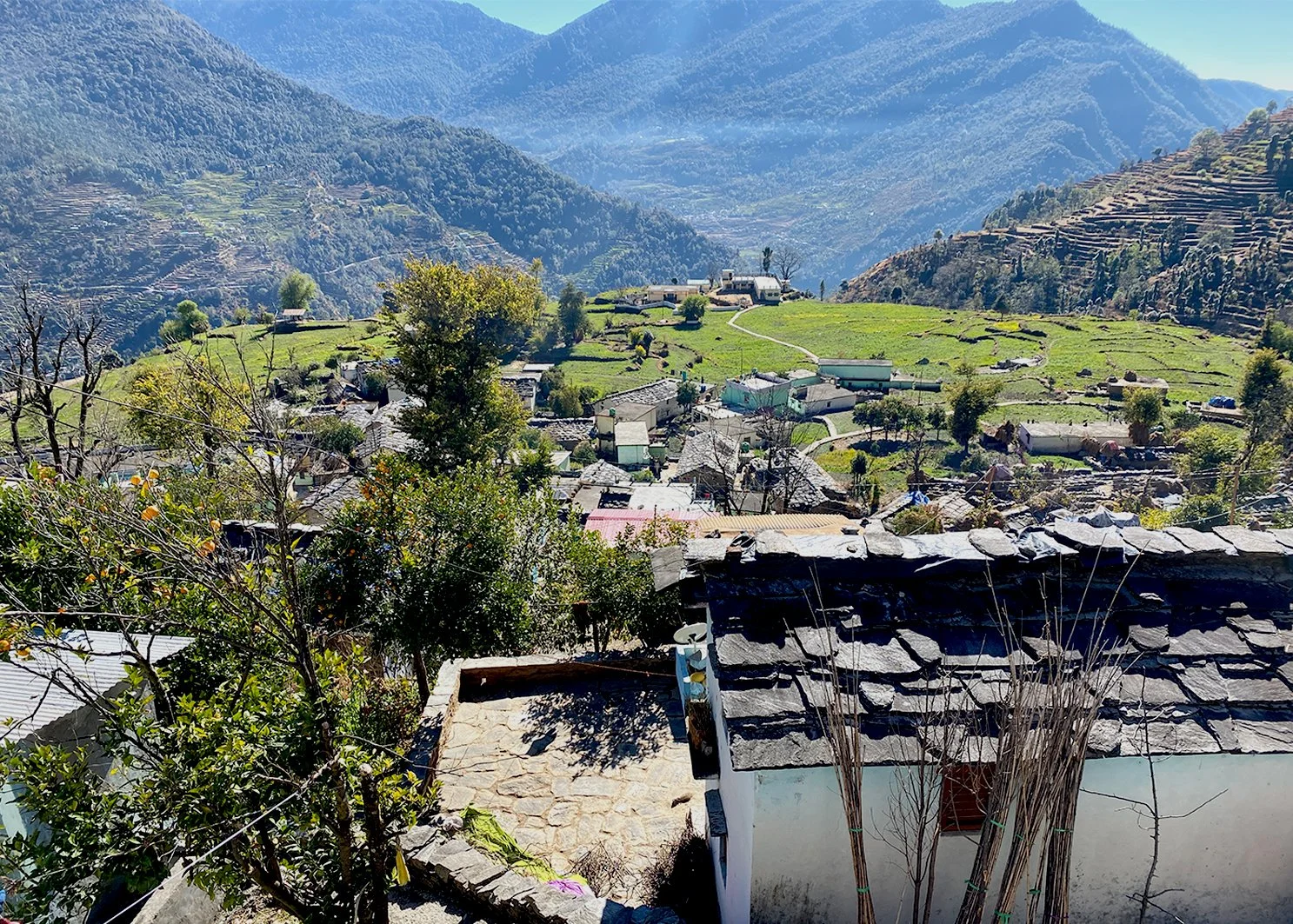
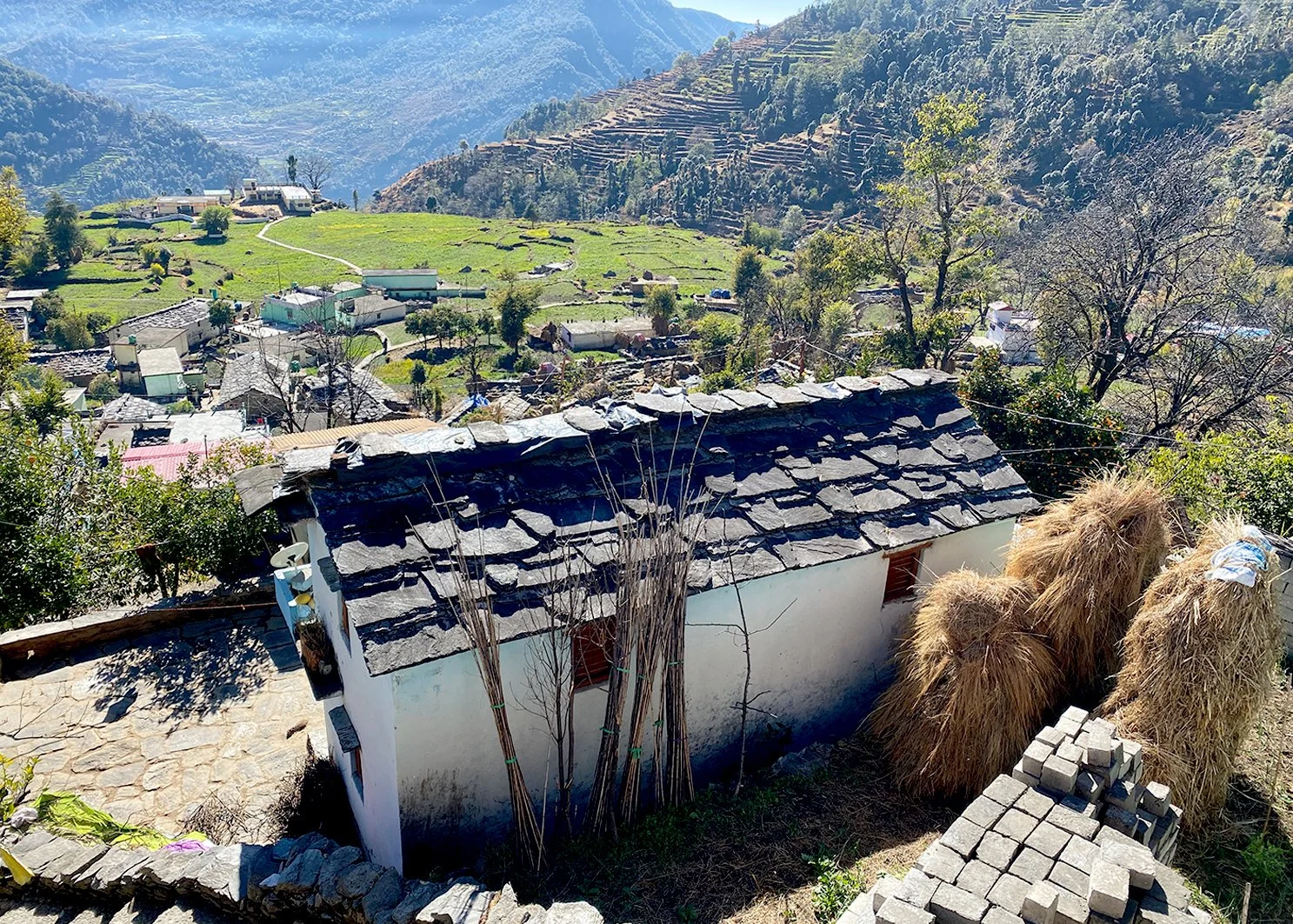
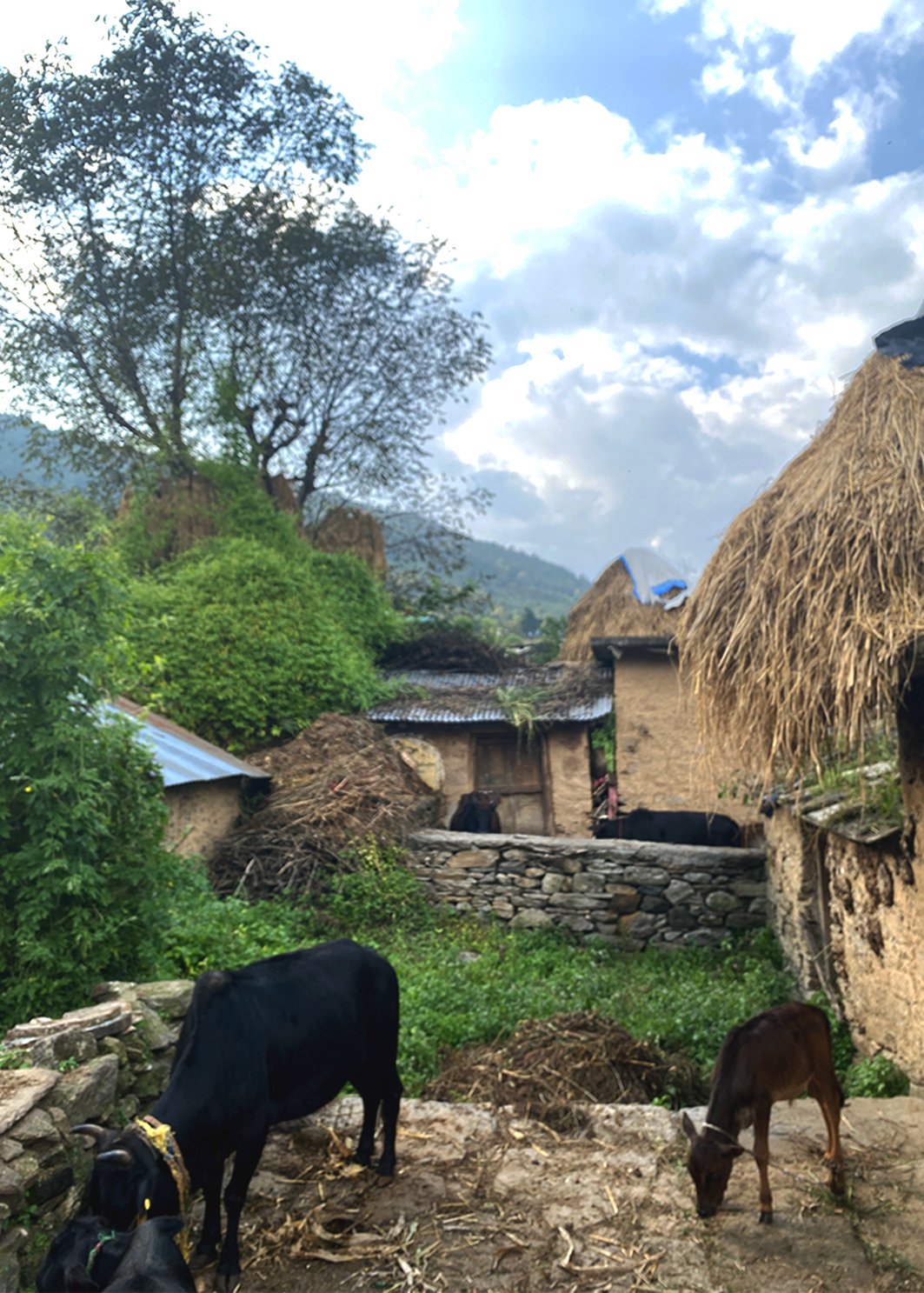
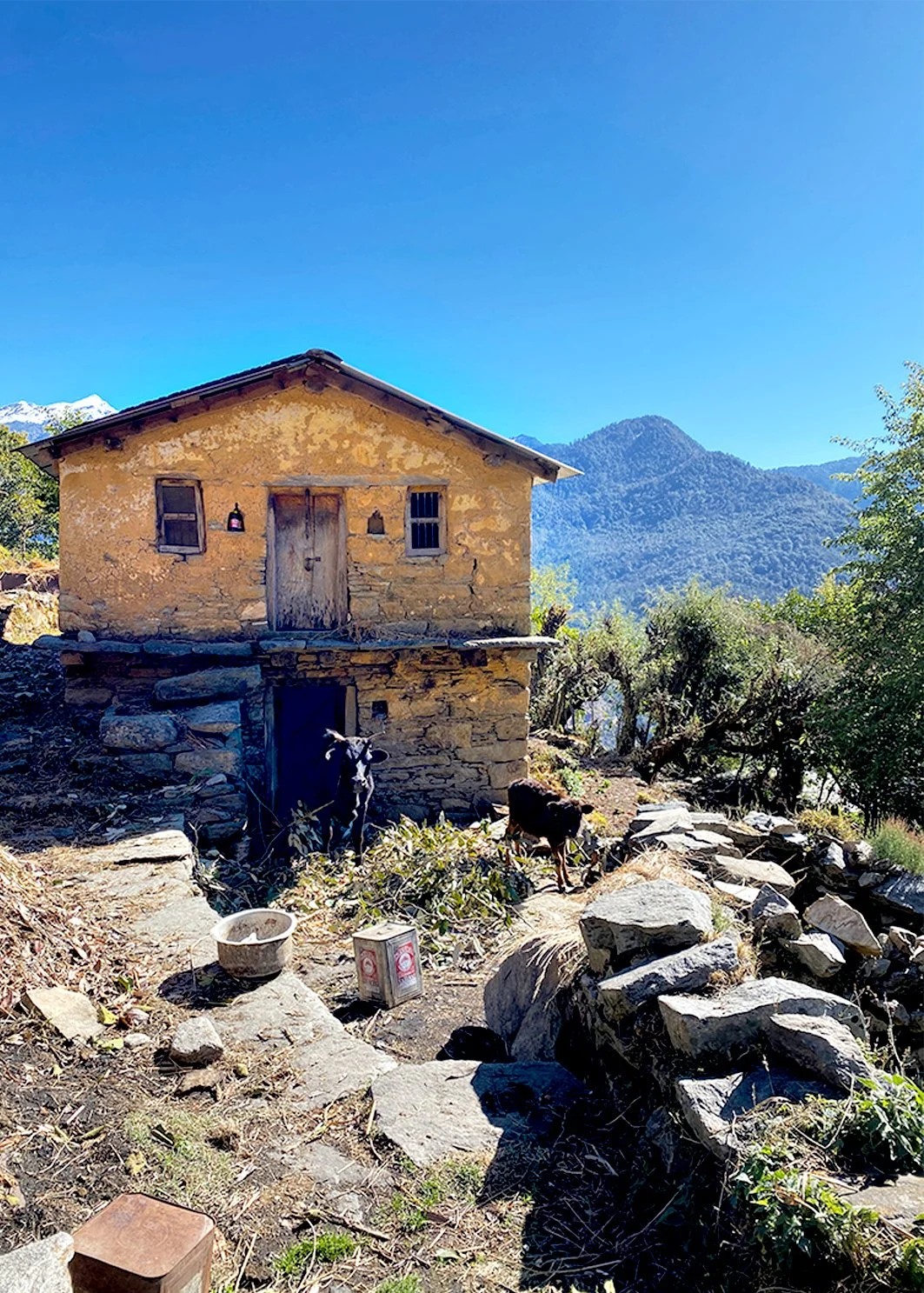
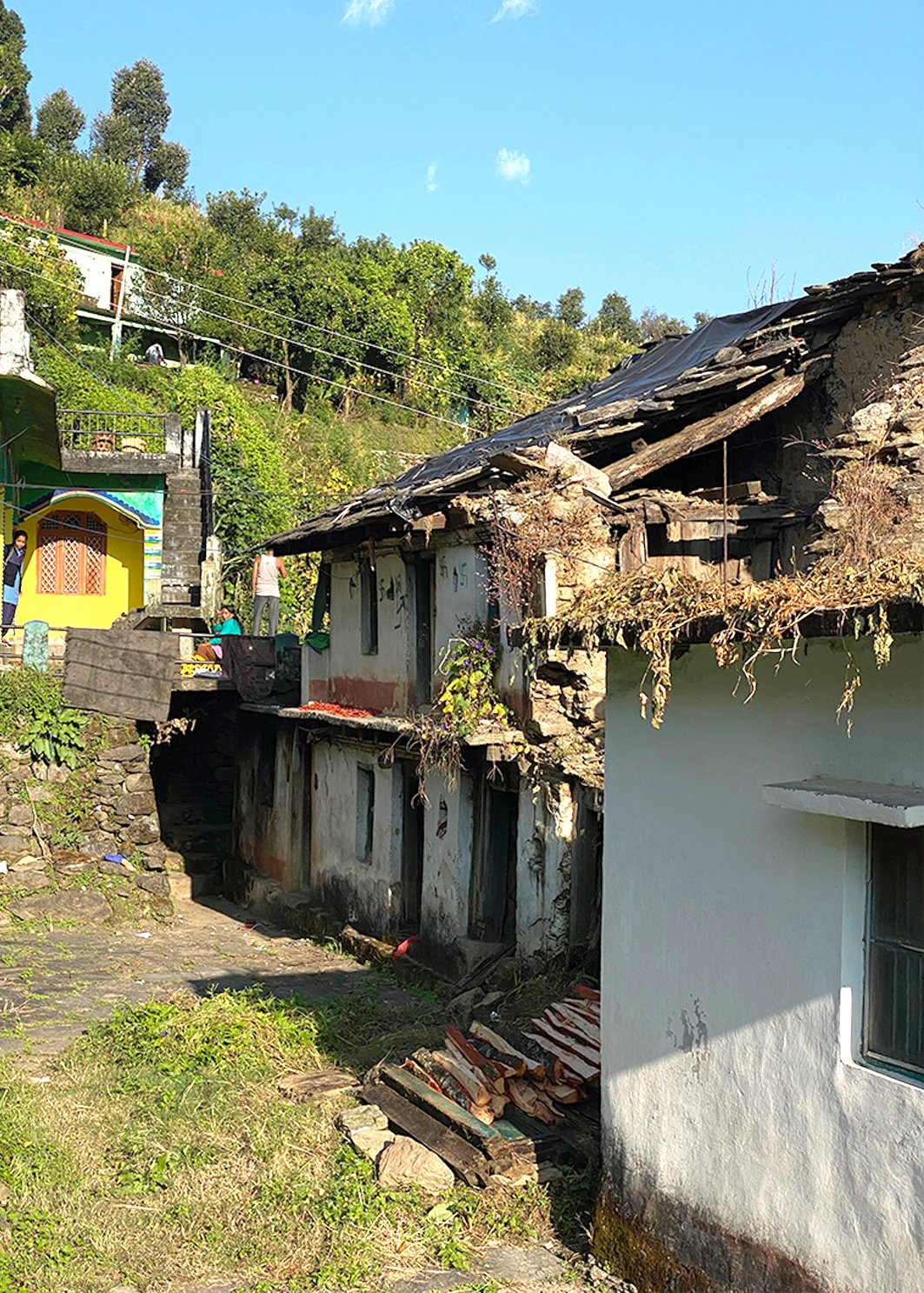
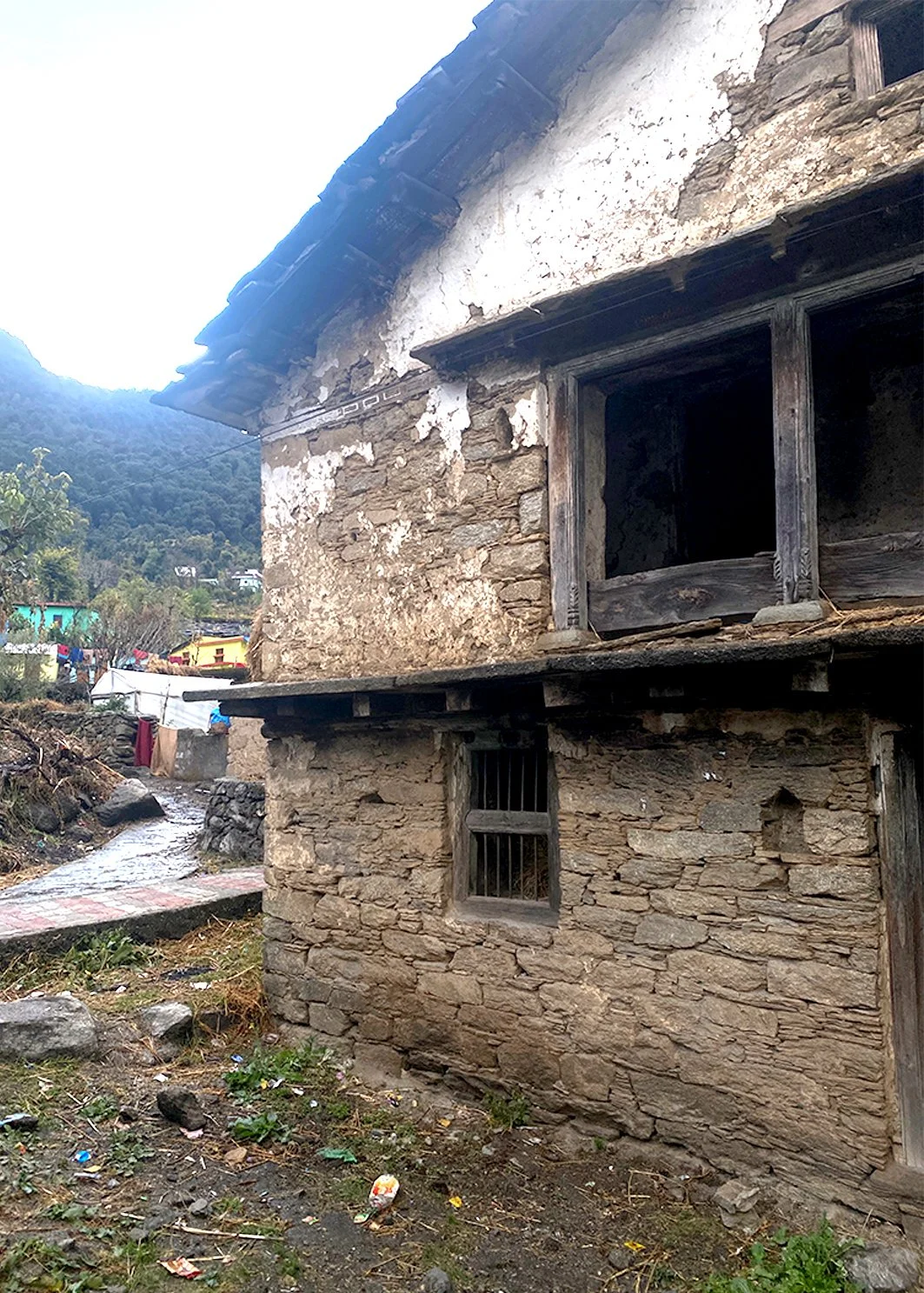
Key elements include stone-and-mud construction, terraced agriculture with traditional irrigation systems, courtyard-centred dwellings, and the carpentry and masonry expertise maintained by an ageing generation of craftspeople. The contrast between context-responsive traditional architecture and the increasingly placeless modern built environment constitutes a central focus of this research.
WHY NOW
Opportunities for preservation are rapidly diminishing. Each season, traditional structures are replaced by generic concrete buildings, and the skills that shaped the historic built environment are lost as their practitioners retire. Immediate documentation will determine whether these practices remain part of a living record or become subjects of archaeological study.