Jaisalmer · desert water & survival
JAISALMER, RAJASTHAN · THE THAR
Where the air is dry, rainfall is scarce, and resilience is engineered into the land itself.
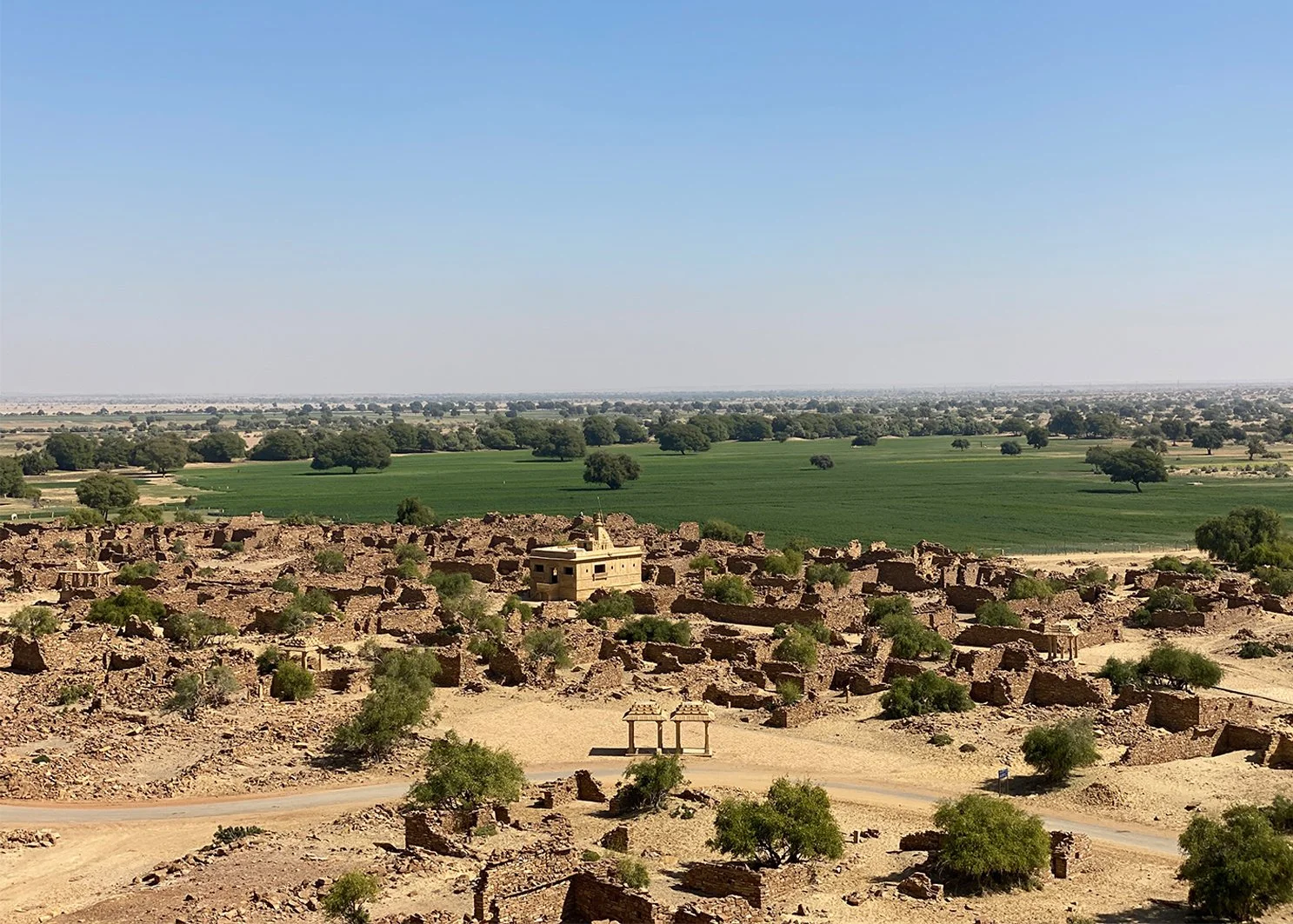
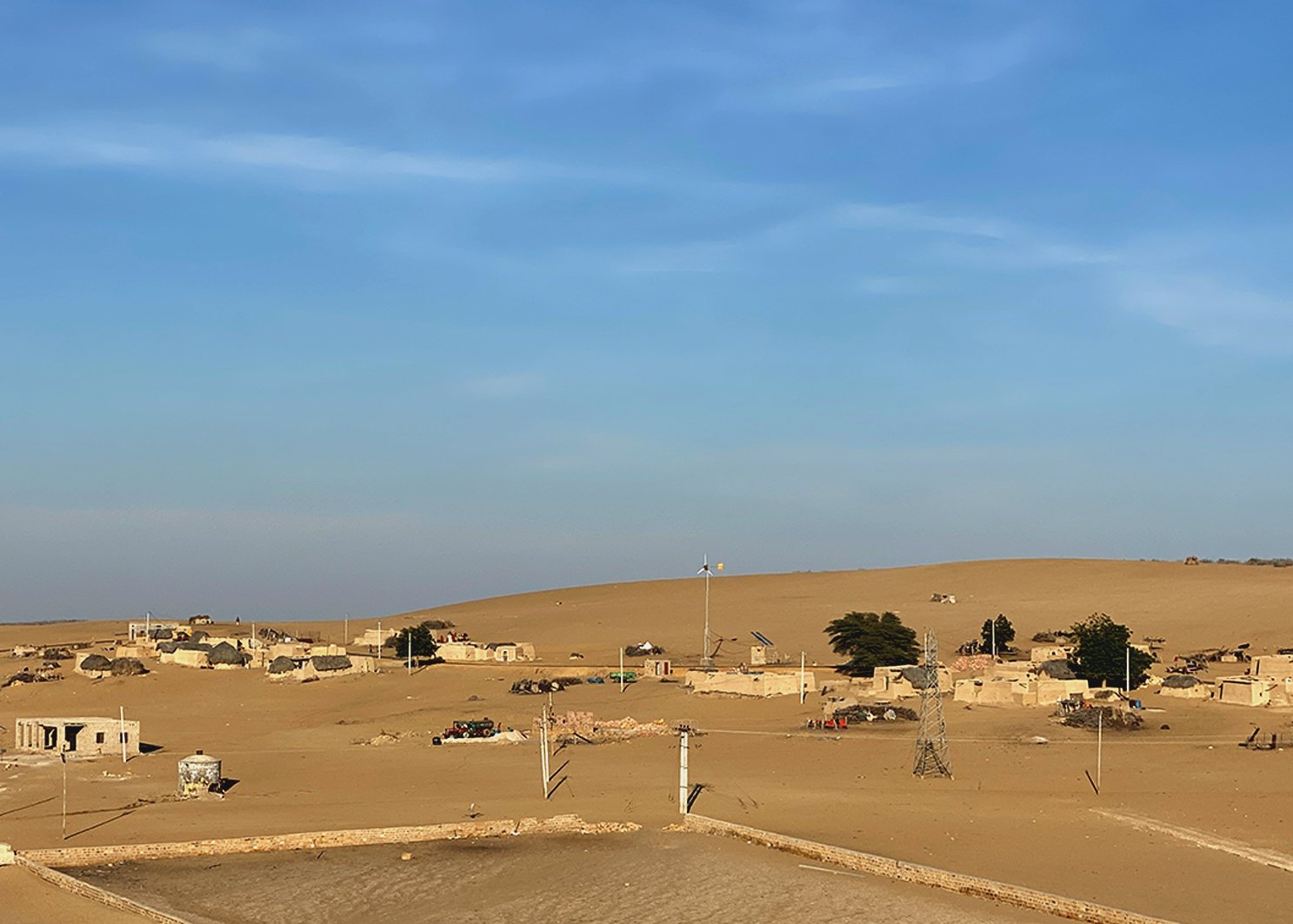
This ongoing study is situated in a region characterised by arid air, scarce rainfall, and consistently high temperatures, inhabited by resilient communities. The people of the Thar have demonstrated exceptional adaptability, developing innovative methods to cultivate crops, harvest every available drop of water, and construct dwellings using limited resources. Our research documents the functioning of the various interconnected systems that sustain life in this environment, examining the ecosystem holistically rather than as isolated components. Central to this inquiry are the remarkable, often unseen water systems that enable permanent habitation in one of the world's driest inhabited landscapes.
PRIMARY LINE OF ENQUIRY : Traditional water-harvesting systems in the Thar illustrate how desert communities interpret their environment to locate, retain, and distribute water, as well as the social agreements that regulate these practices.
FIELD BUND · RAIN-FED CULTIVATION
Khadin
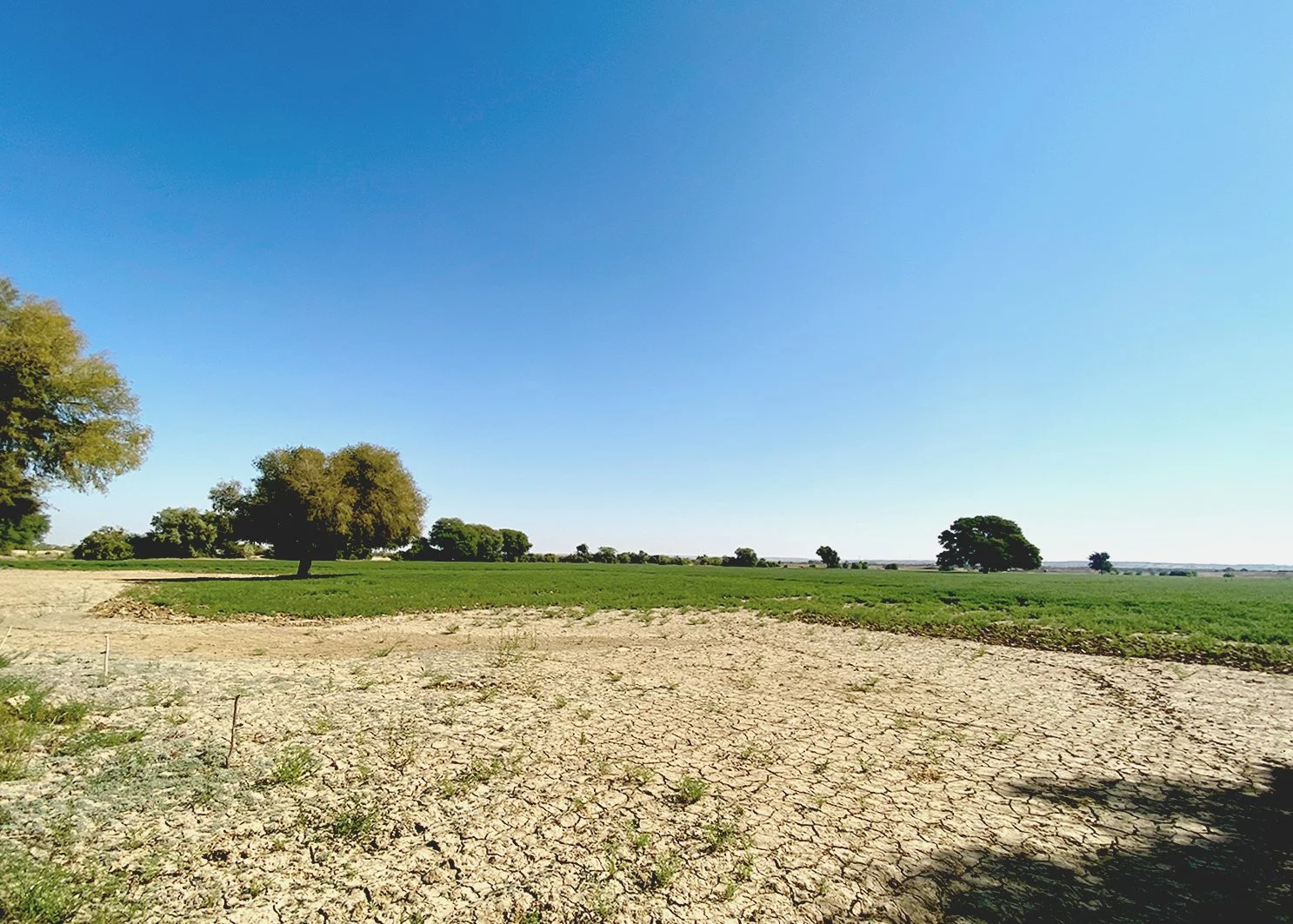
One such innovation is a runoff-farming system that employs an earthen embankment (bund) constructed across the lower slopes of a catchment to intercept and retain monsoon runoff. The captured water saturates the enclosed field, and the residual moisture in the fine silt sustains crops grown entirely without irrigation, persisting long after the rainfall has ceased. This approach enables an entire agricultural season to be supported by only a few hours of rainfall annually.
SEEPAGE WELL · POTABLE WATER
Beri & Par
Shallow seepage wells access the thin freshwater lens situated above the gypsum or clay layers beneath the sand. The par refers to the catchment area where rainwater percolates and is naturally filtered through sandy soil, while the beri denotes the shallow well that extracts this water. This system constitutes a dispersed, community-managed drinking water network, developed through a nuanced understanding of subsurface hydrology.
THE SOCIAL STORY
Beyond the engineering aspects, these systems are sustained by individuals who possess generational knowledge of water sources, maintain bunds and wells, and transmit the logic of these systems through oral traditions. Our fieldwork prioritises these perspectives, highlighting the human stewardship that ensures the desert remains habitable.
BUILDING & SETTLEMENT
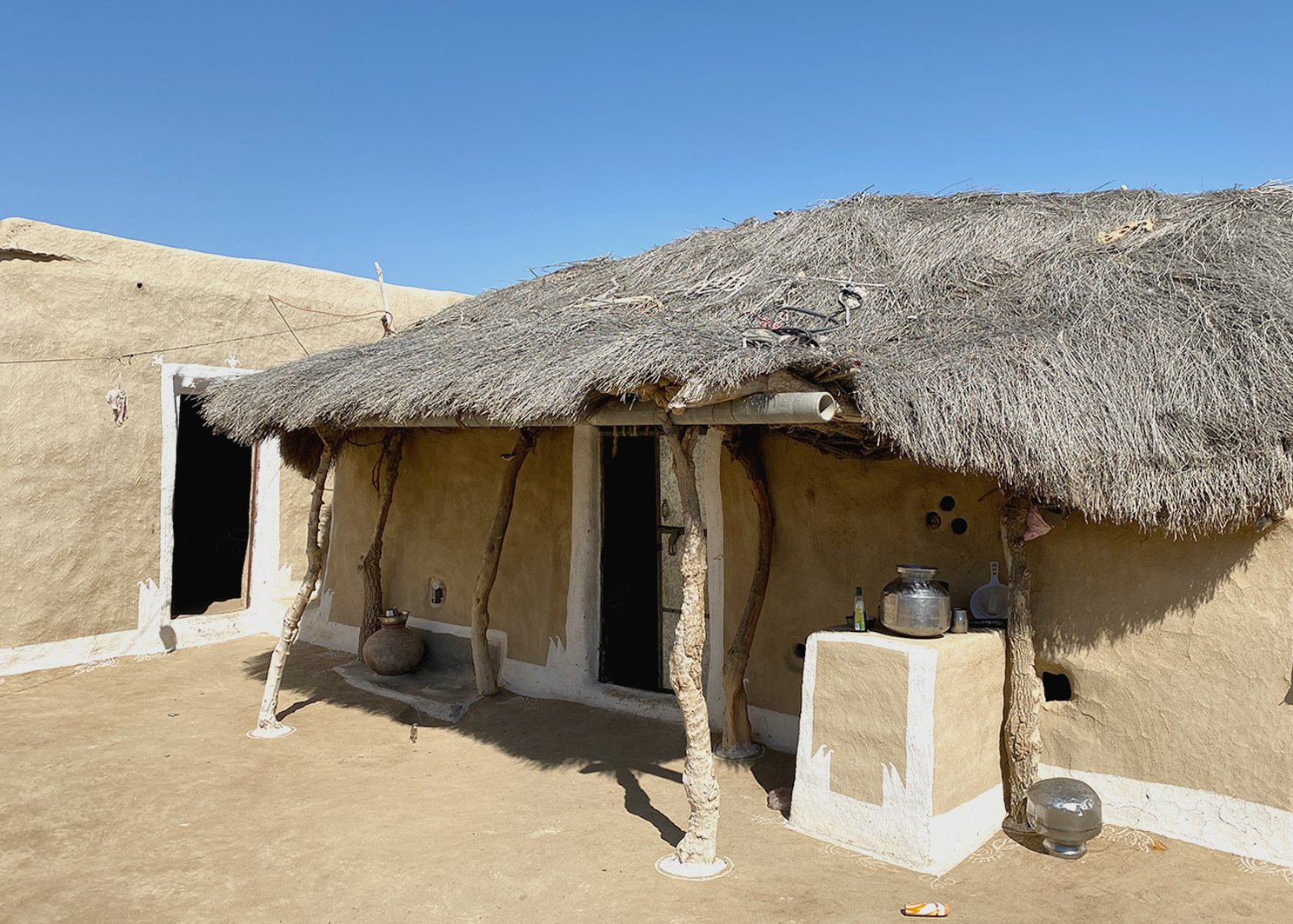
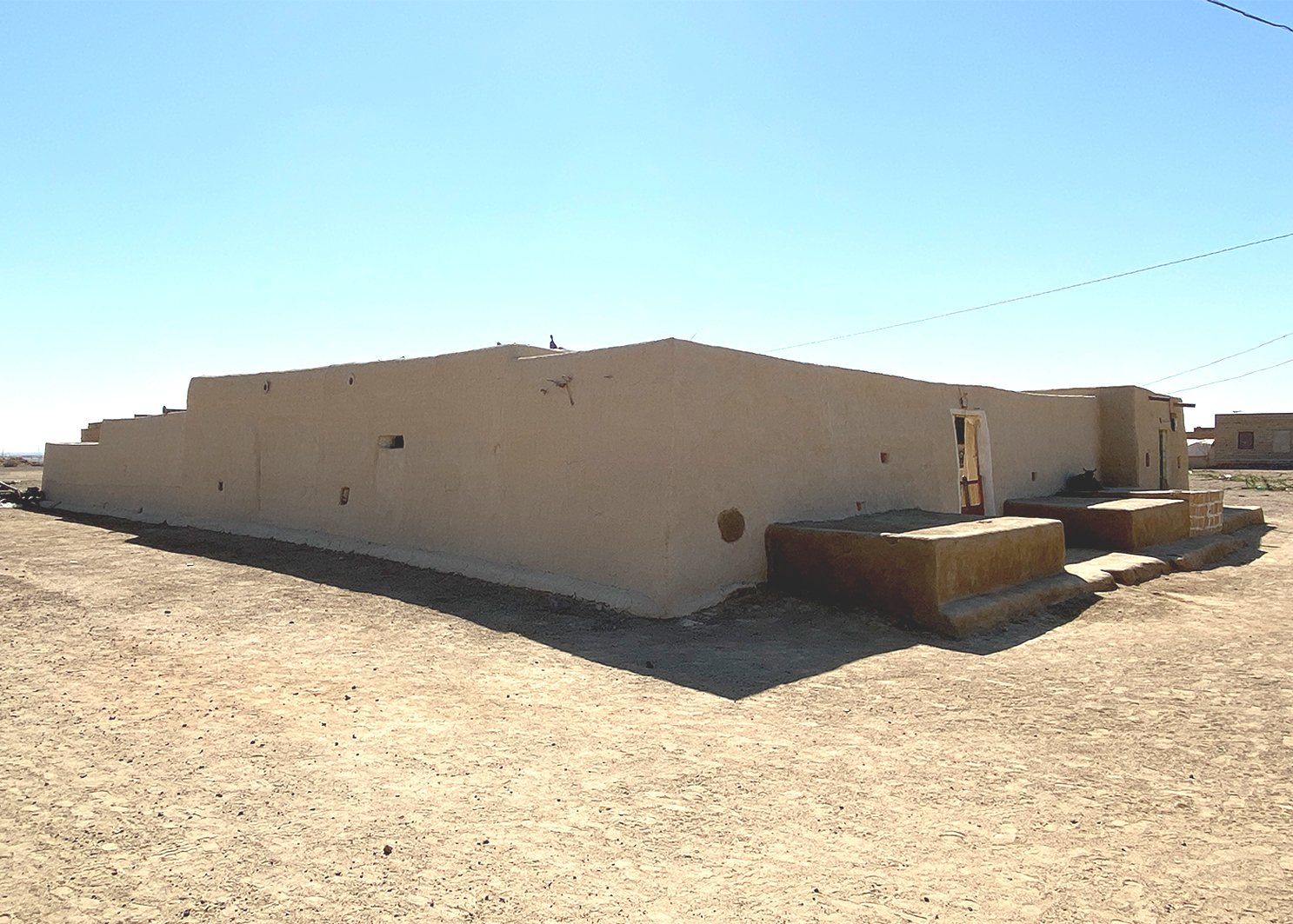
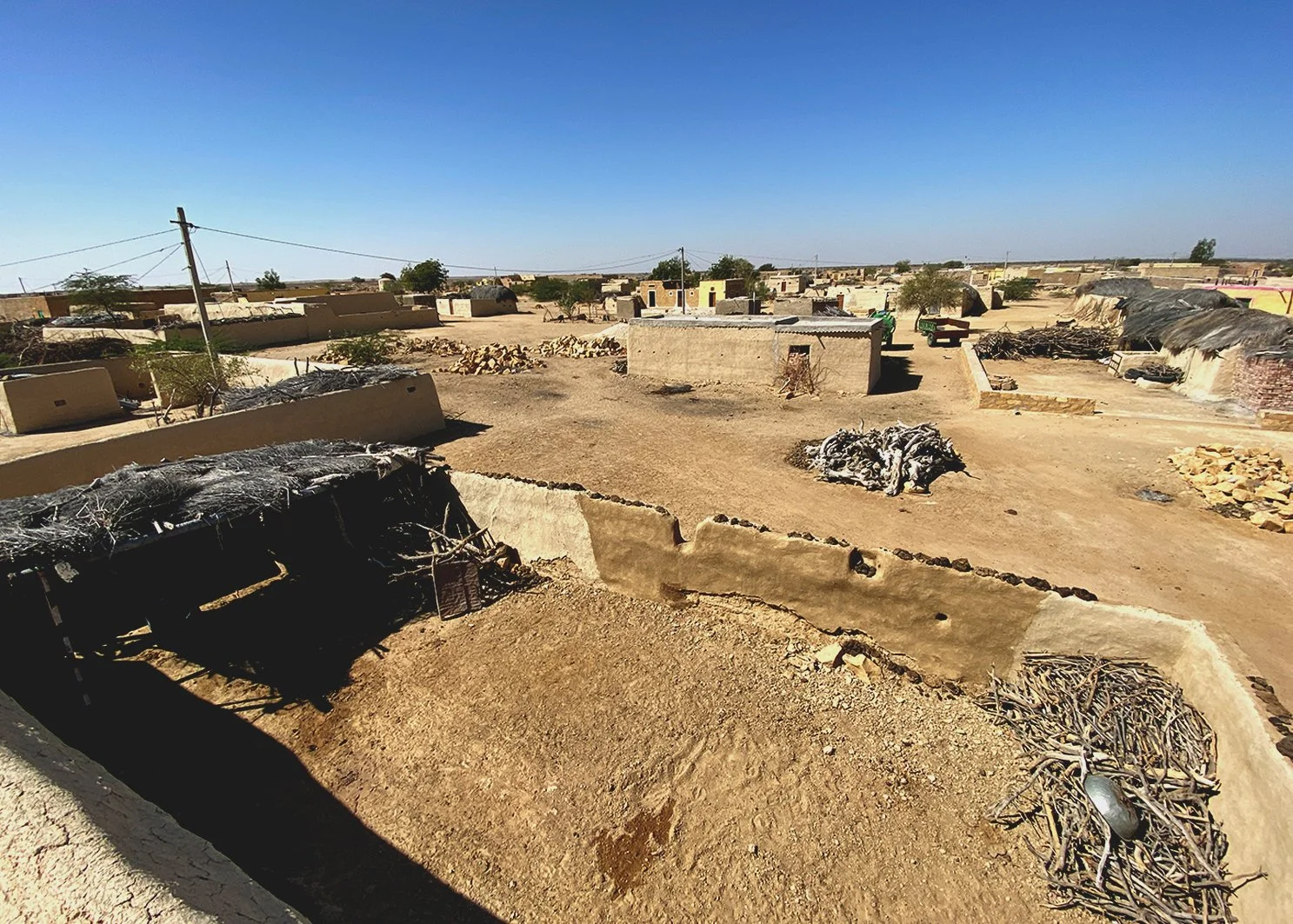
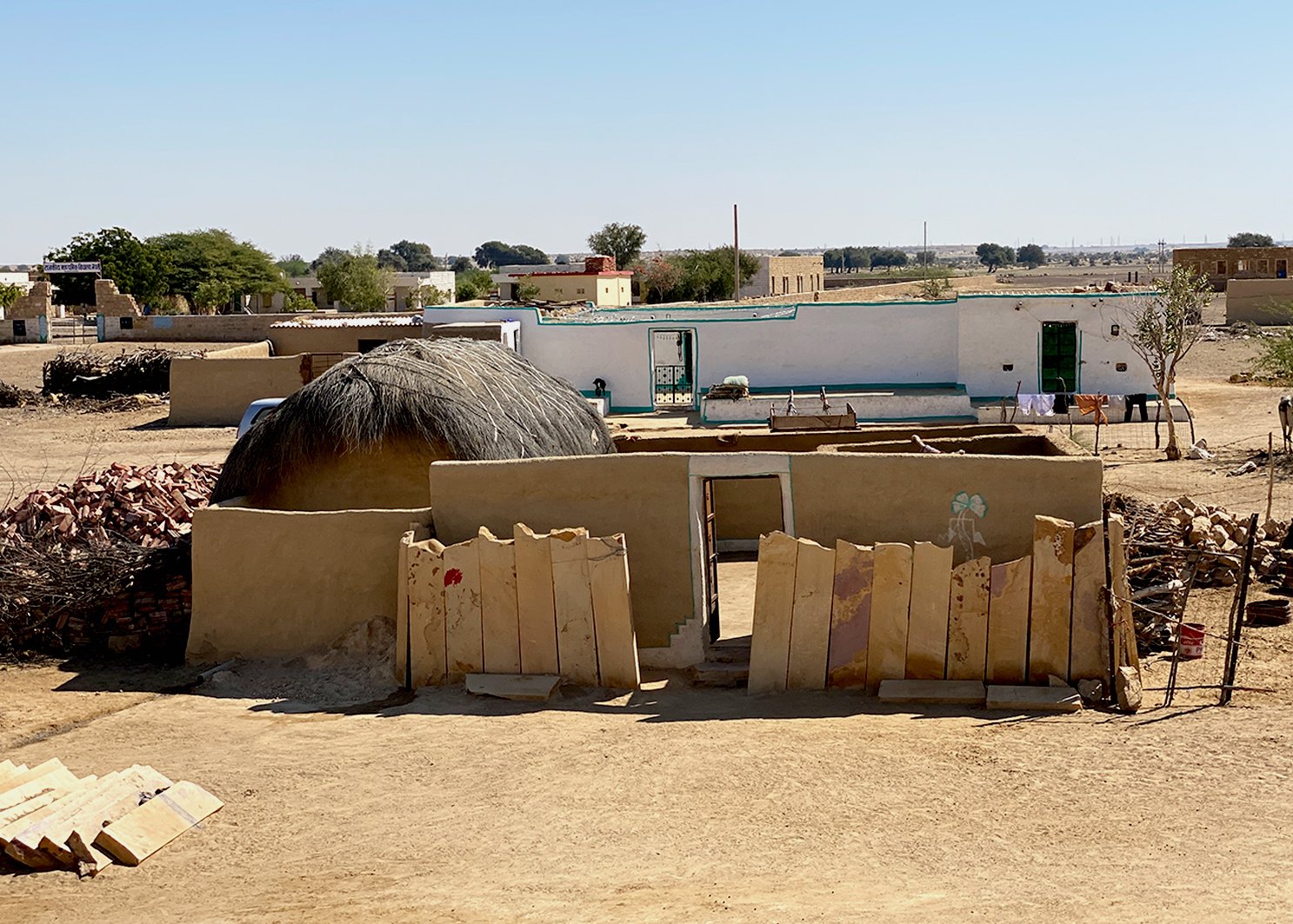
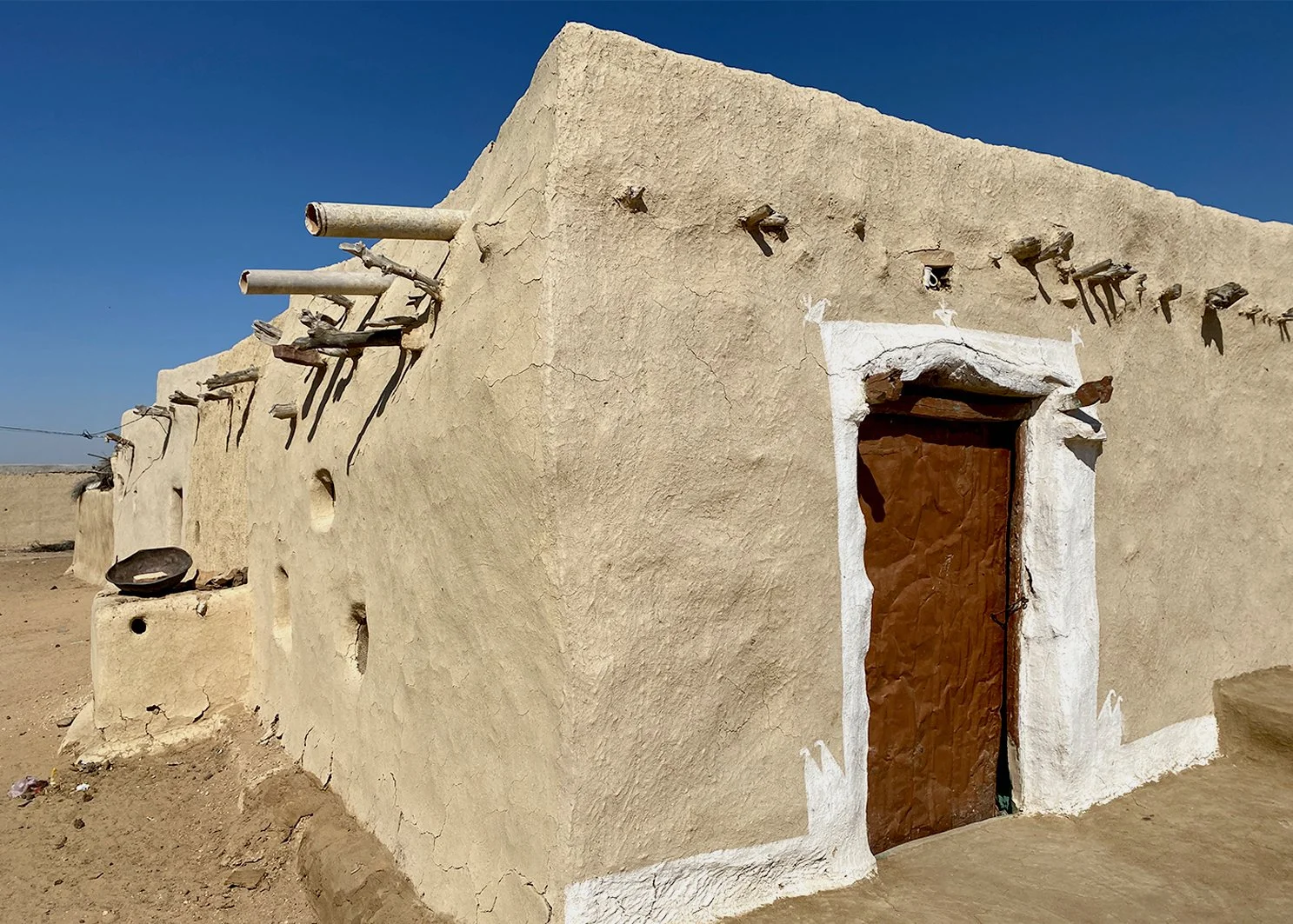
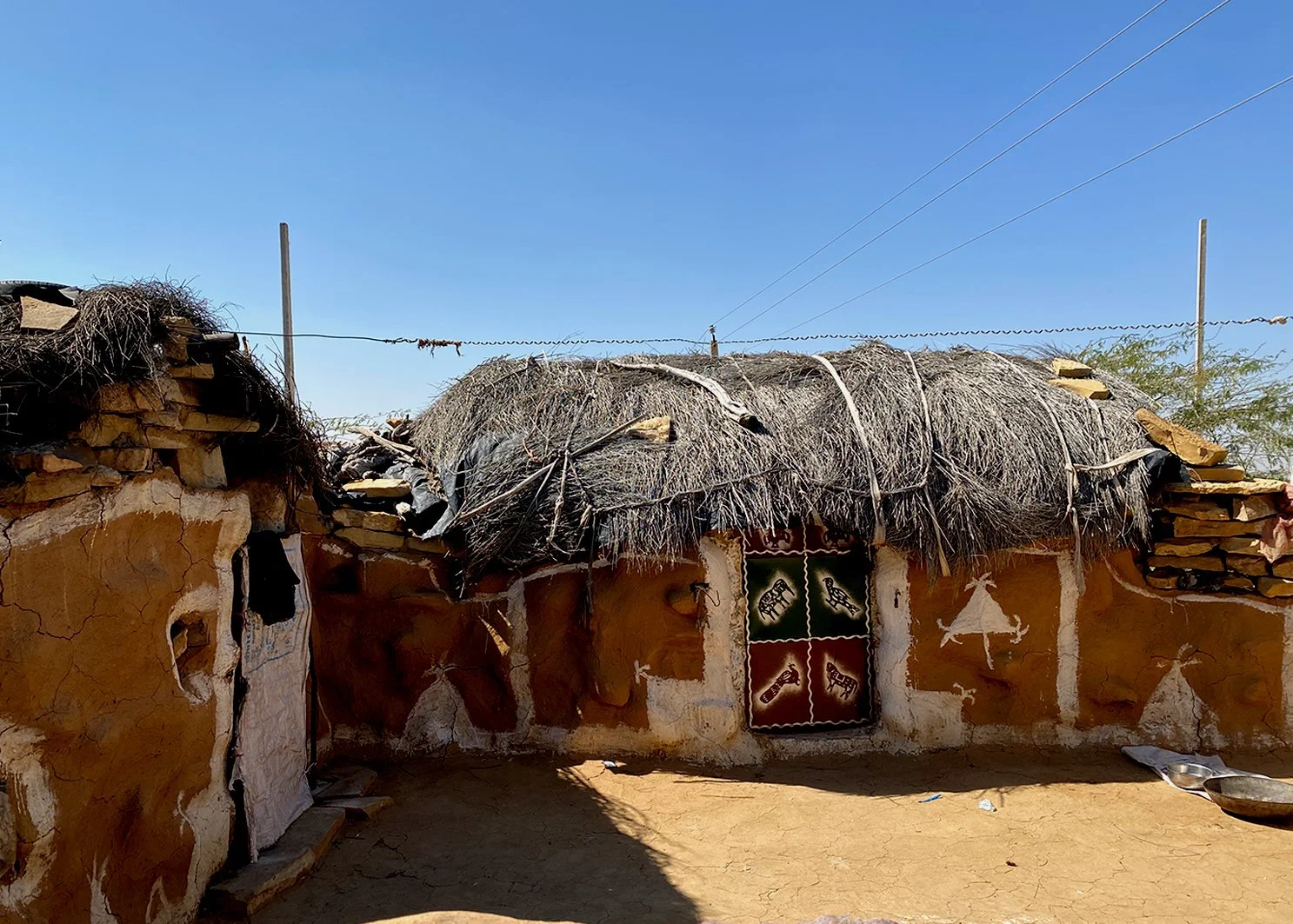
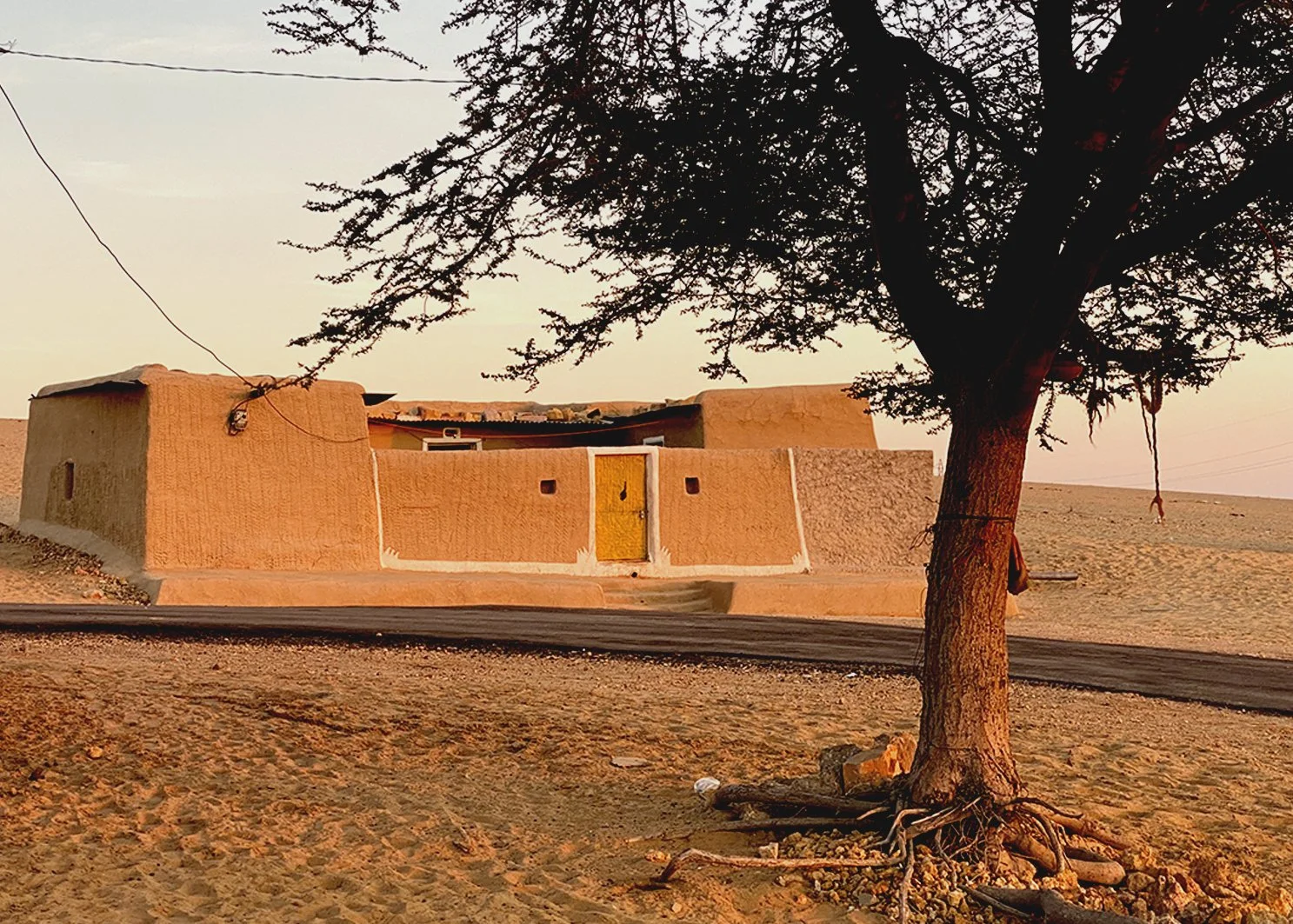
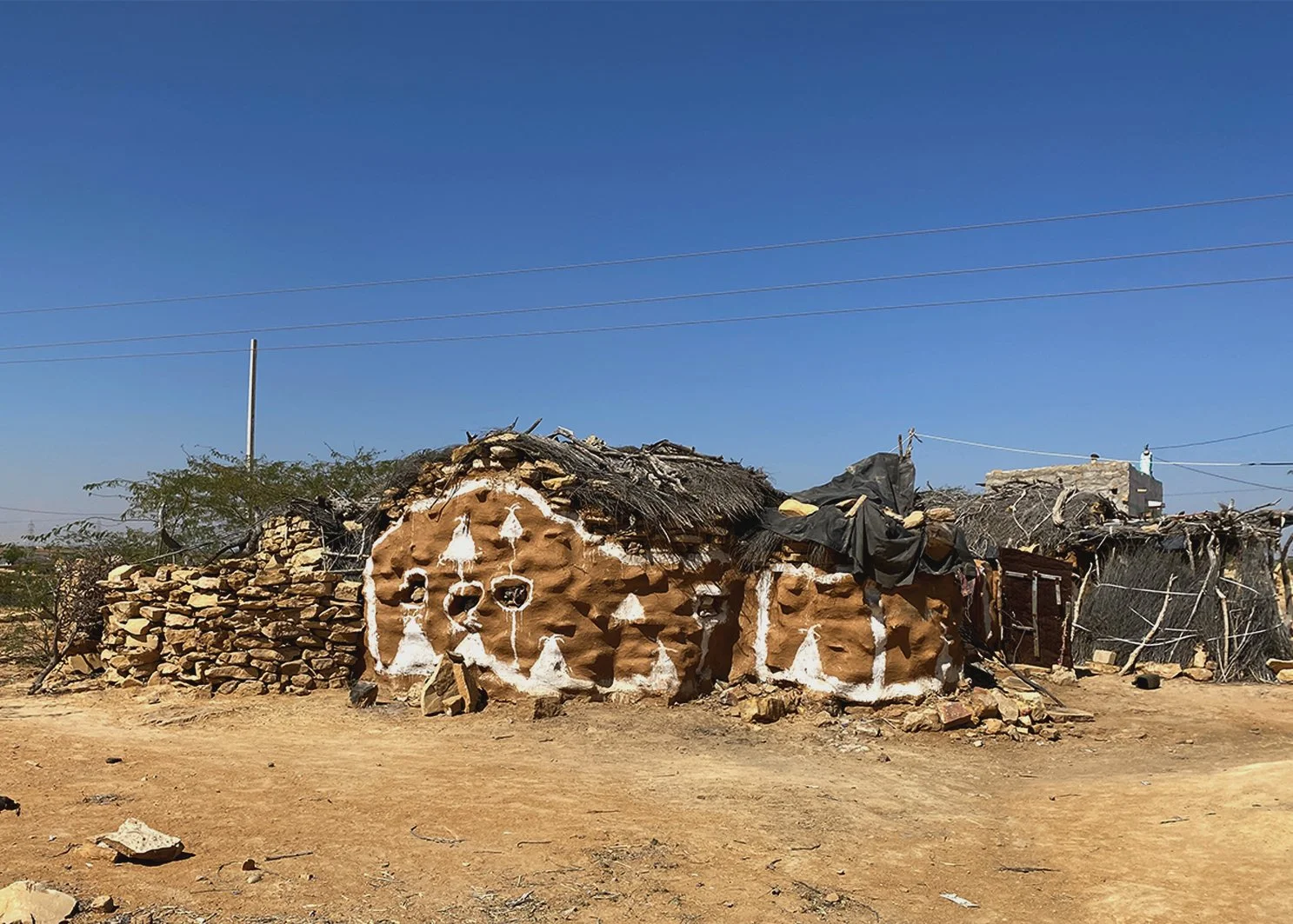
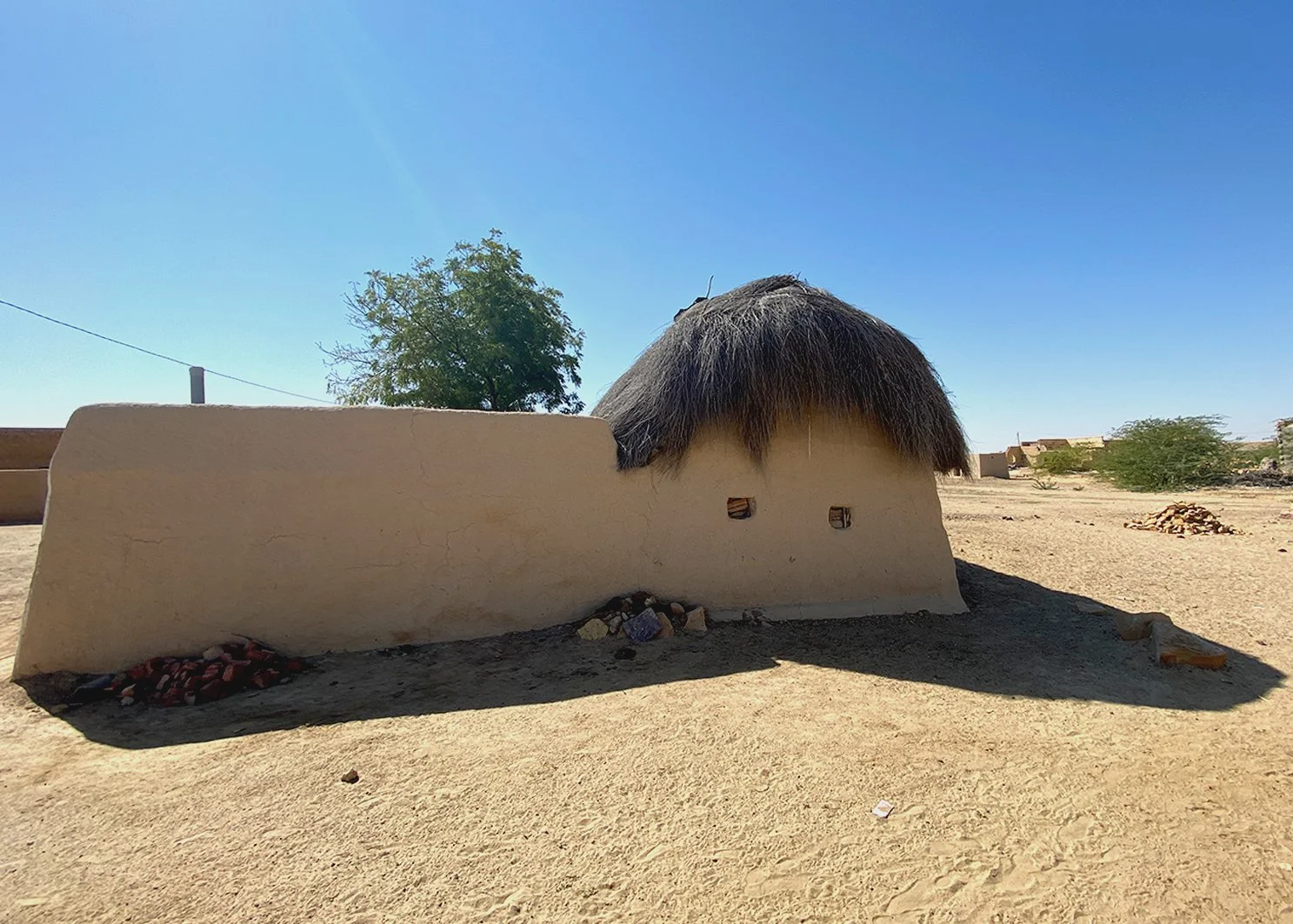
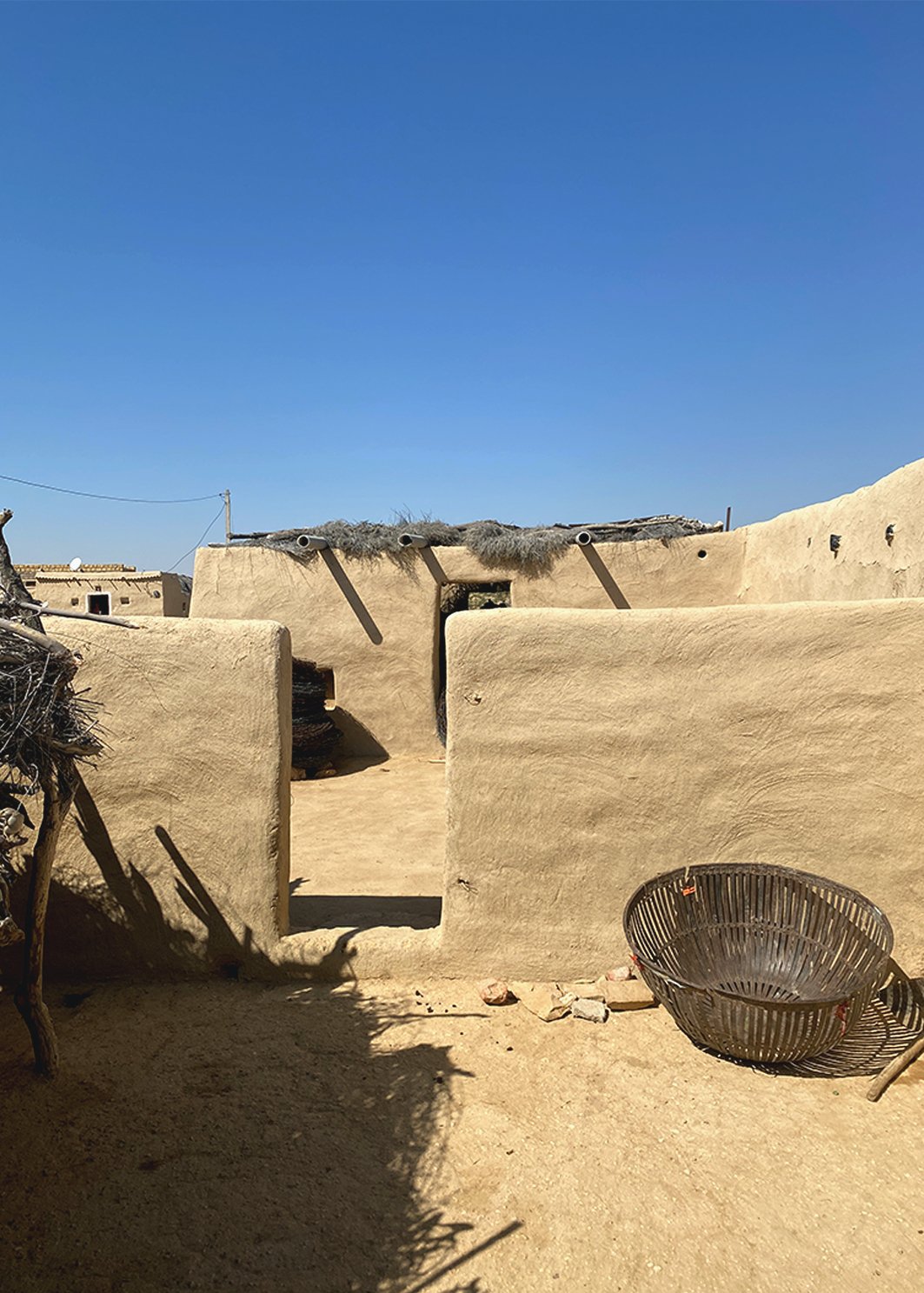
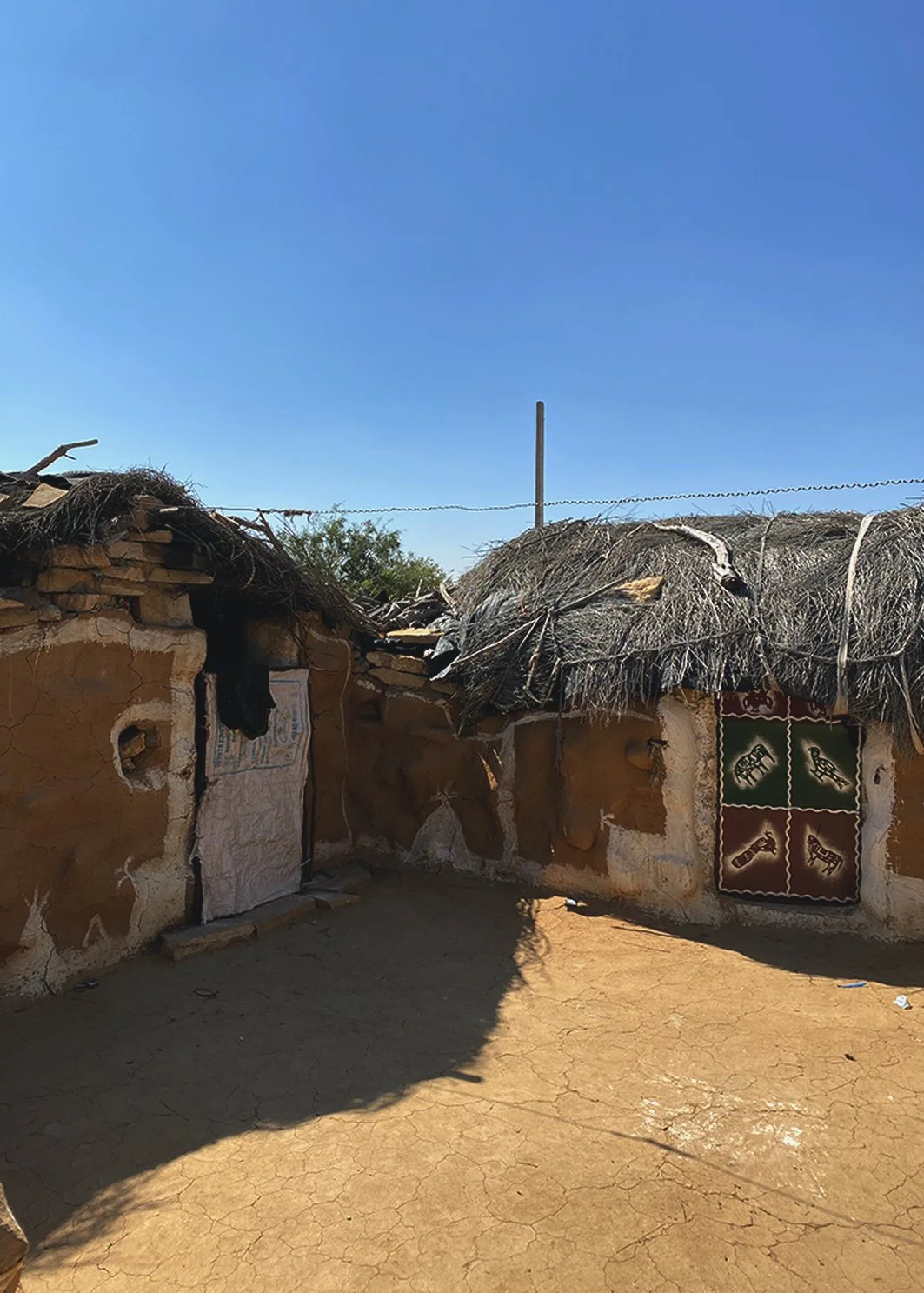
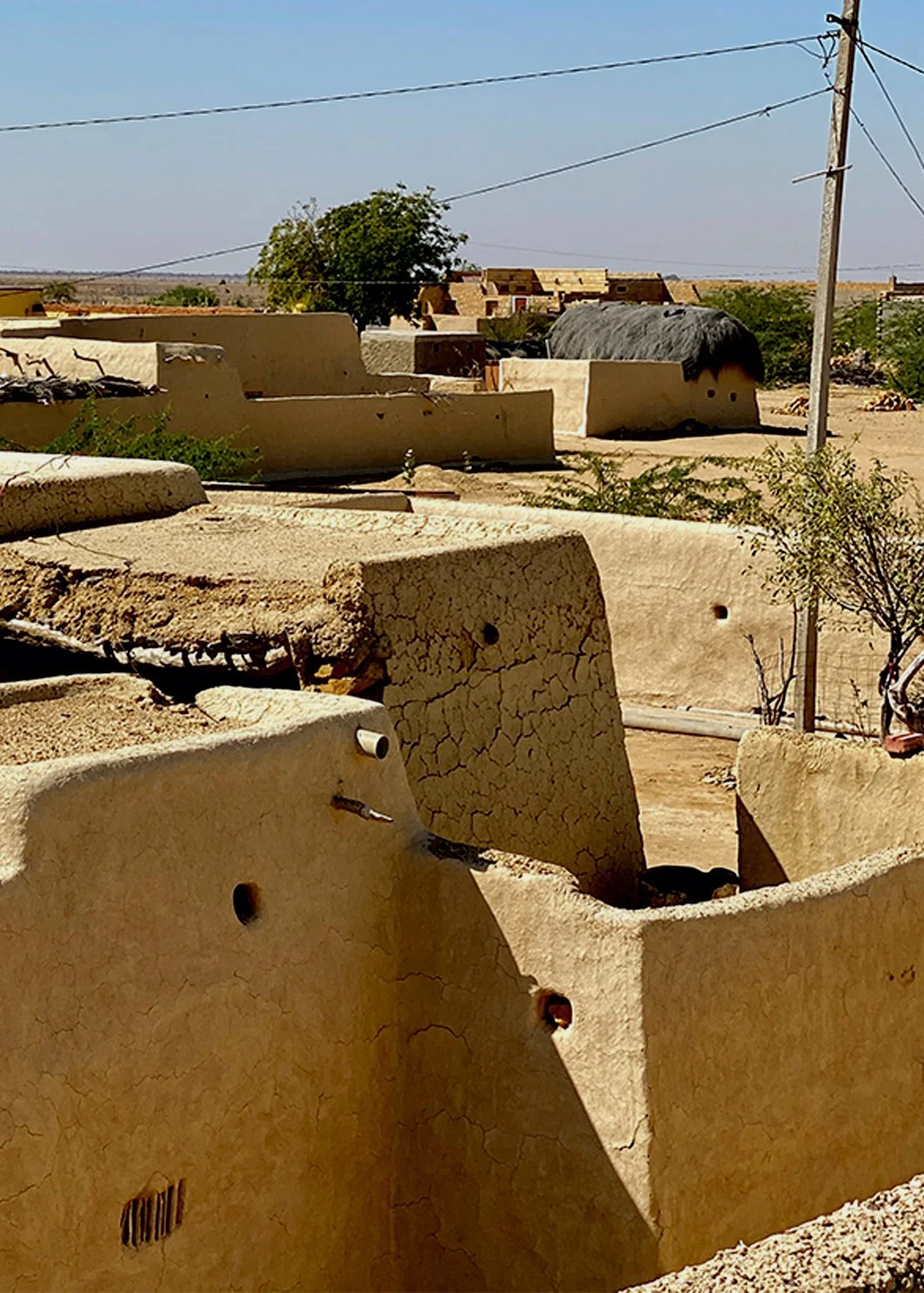
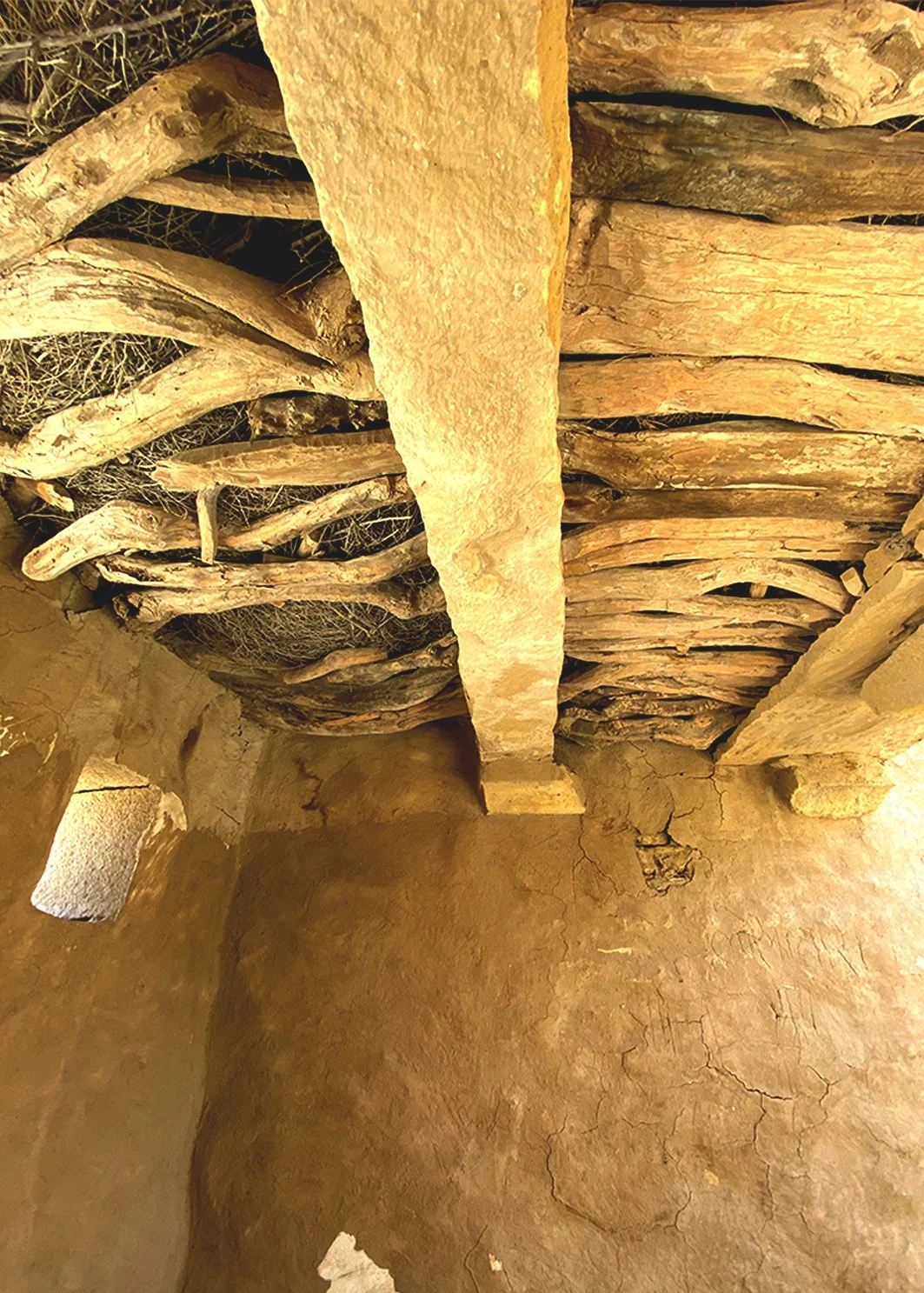
In addition to water management, the study examines mud, stone, and thatch houses, courtyard-centred settlements, and the material strategies employed to mitigate extreme heat using minimal resources. Preliminary documentation includes features such as thick walls, shaded courtyards, and building orientation as methods of climate control.